Park Hyatt Kyoto ranks #28 on our 2026 list of the best solo retreat hotels in the world. The case below explains why — the architecture, the bar, the suite ritual, and the alternatives we measured it against.
“Opened 2019 in Higashiyama beside the Yasaka Pagoda — 70 rooms, the Yasaka Bar terrace with the most photographed pagoda view in Japan, and Park Hyatt's most considered Asian property.”
The hotel itself
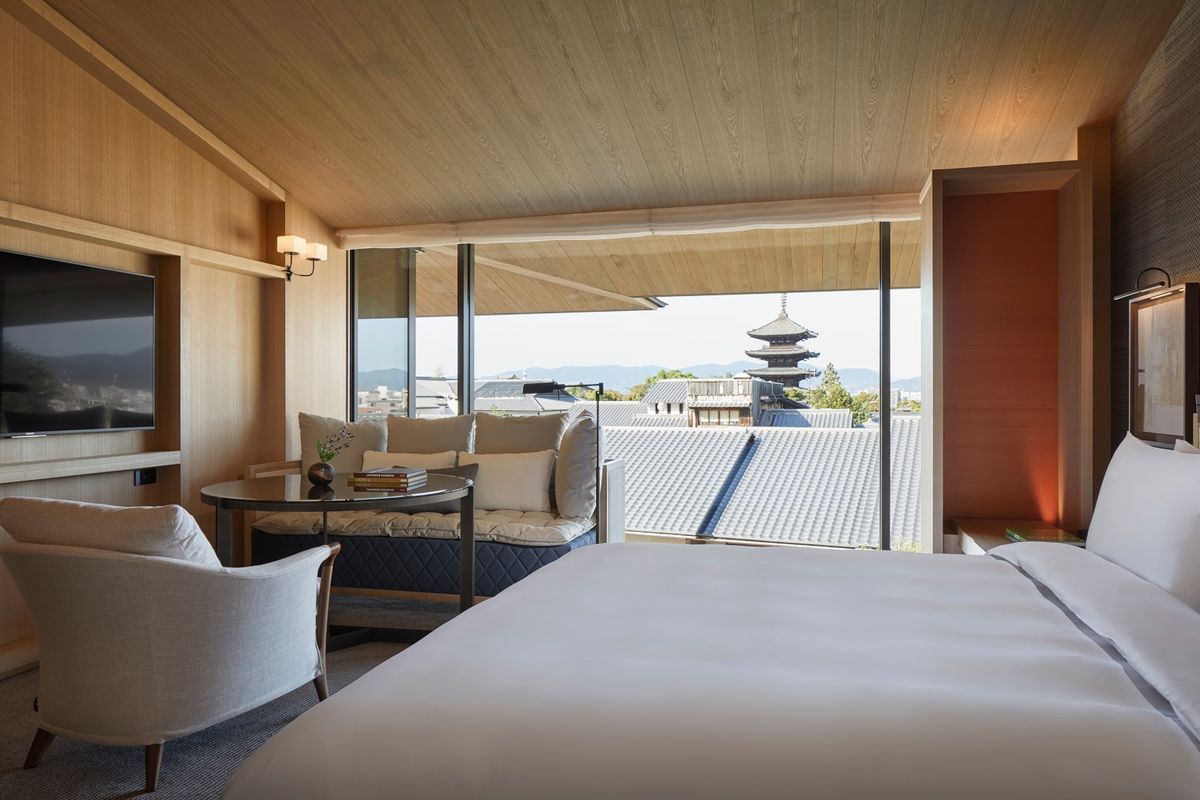
Opened October 2019 on historic temple grounds in Higashiyama beside Kodai-ji — 70 rooms (61 plus 9 suites) with sweeping views of Yasaka Pagoda and the timeless Ninenzaka machiya townscape. The Yasaka Bar terrace runs the most photographed pagoda view in Japan.
"Opened 2019 in Higashiyama beside the Yasaka Pagoda — 70 rooms, the Yasaka Bar terrace with the most photographed pagoda view in Japan, and Park Hyatt's most considered Asian property."
Park Hyatt Kyoto opened on 30 October 2019 at 360 Kodaiji Masuyacho — a deliberately understated address in Higashiyama, on a parcel that sits between Kodai-ji temple and the Ninenzaka cobblestone street, within the historic preservation district that includes the Yasaka Pagoda, Kiyomizu-dera, and the Maruyama Park gardens. The site was previously occupied by a small ryokan and a parking lot; the hotel was developed as a partnership between Hyatt and the Kodai-ji temple priesthood, with the temple retaining cultural-protection rights over the property's external architecture and approach. The architectural register, by Tokyo's Tony Chi (the Park Hyatt brand's longstanding interior designer) with Kyoto-based exterior architects, leans traditional-machiya: low-rise three-storey wood-and-tile pavilions, traditional sliding screens, and a meticulously reconstructed approach garden. The hotel cannot be seen from the public street — guests arrive through a small unmarked entrance off Ninenzaka and emerge into the property's central garden.
Why it works for a solo trip
Solo travel to a creative city is structurally different from couples travel to the same city. The trip is built around looking — at architecture, at art, at the way the local people drink coffee in the morning. Properties that earn solo-list inclusion in Kyoto, Marrakech, Tokyo, Big Sur, Sedona are the ones where the architecture itself rewards being alone in it: the courtyard you can sit in for an hour, the room with the right desk, the bath you can disappear into for ninety minutes.
Park Hyatt is the Hyatt Group's quiet flagship — twenty-six properties globally and zero attempts to grow faster. For solo travel Park Hyatt is among the most consistently right answers in luxury: the interiors are restrained, the service is considered, and the bar programmes are the most consistent in any luxury group (the Park Hyatt Tokyo's New York Bar arguably created the genre of urban-luxury bar that holds for one). The brand exists for the traveller who wants urban luxury without resort theatre.
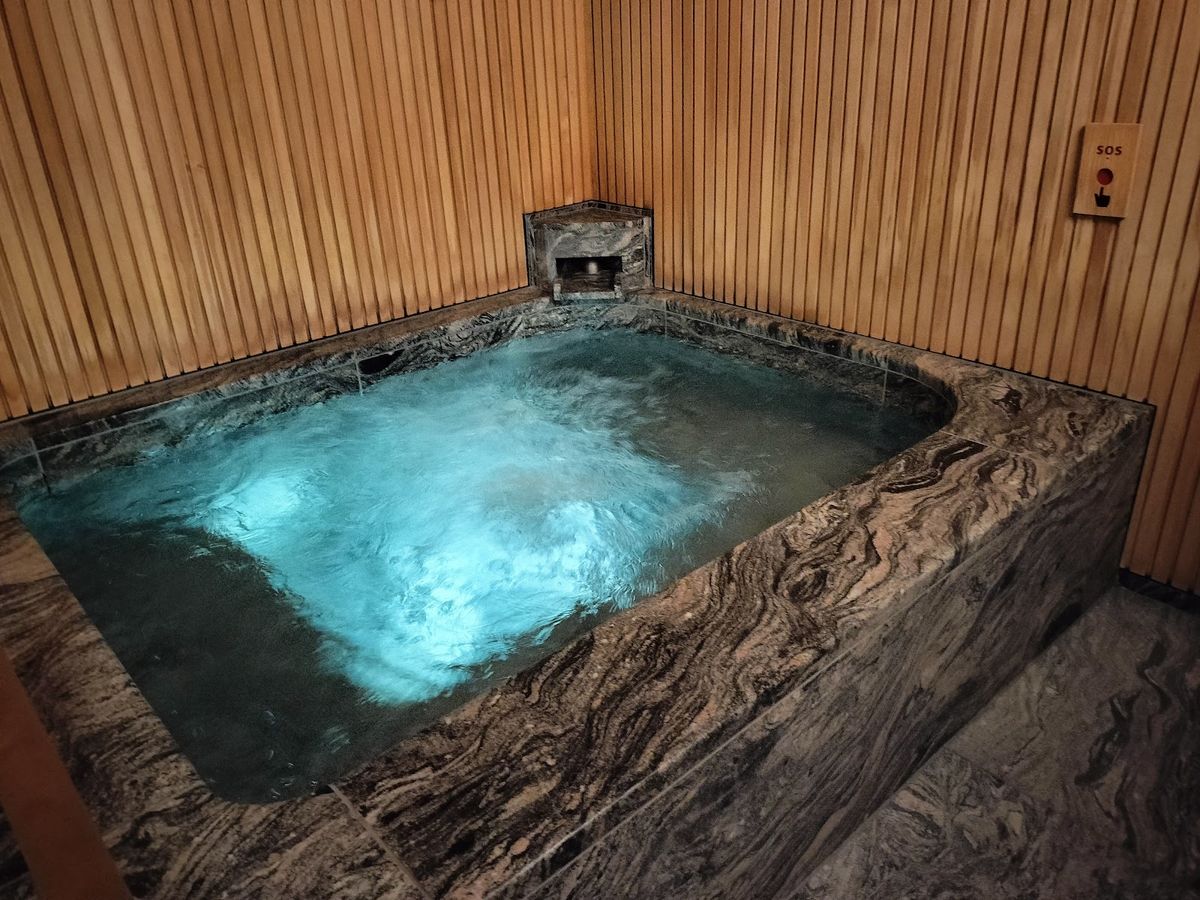
There are 70 guest rooms across the property's three pavilions — 61 standard rooms plus 9 suites. The standard Park Deluxe Twin runs to 50 square metres with a private garden-facing terrace and views over the Higashiyama temple roofline. The Park Deluxe King and Park Suite Higashiyama rooms run from 60 to 90 square metres; the Park Premier Suite Yasaka, on the third floor of the upper pavilion, runs to 130 square metres with a private terrace facing directly onto the Yasaka Pagoda — the most photographed view in Japanese hospitality and the brand's signature single image. Every room features hand-loomed Tatami textiles, Hinoki cypress in the bathrooms, hand-thrown ceramic tea-set programme, and the brand's signature Park Hyatt amenity programme.
Yasaka, the property's signature dining room and bar, occupies the upper pavilion's third floor with a wraparound terrace facing Yasaka Pagoda. The Yasaka Bar runs the property's evening cocktail-and-Japanese-whiskey programme; the dining room serves a working contemporary Japanese-French fusion programme. Kyoto Bistro — the property's lobby-level all-day room — runs the breakfast programme and an informal lunch-and-dinner menu. Saryo, the property's tea house at the centre of the garden, runs daily traditional tea-ceremony programmes by an in-house chajin (tea master). The Living Room, the property's small library-style cocktail venue at the entrance pavilion, serves the daily afternoon tea. Sunday brunch on the Yasaka terrace — a sake-and-Japanese-canapé programme with the pagoda directly framed beyond the railing — is the property's most-quoted social booking.
Where it ranks against rivals
For a 2026 solo trip at this level, the most direct comparisons are Four Seasons Hotel Hong Kong in Hong Kong (#27 on this list), Aman at Summer Palace, Beijing in Beijing (#29 on this list), Four Seasons Hotel Singapore in Singapore (#26 on this list). Park Hyatt Kyoto earns the higher rank for one or two specific reasons covered in the verdict above — usually a combination of architectural privacy, the bar that holds for one, and the staff continuity that makes a multi-night solo stay feel held rather than transactional. The other properties are not lesser hotels — in some cases the answer for your particular trip is the runner-up.
Practical: getting in
Address: 京都市東山区高台寺, 360 桝屋町 東山区 京都市 京都府 605-0826, Japan. Solo-suited categories — the executive king with the working desk, the studio suite with the right bath, the small villa with private outdoor space — book three to six months ahead in shoulder season. Some of the smallest properties on this list (Rachamankha, Yufuin Tamanoyu, Belmond Phou Vao) book twelve months ahead. The full review at the hotel page has current rates and the room categories worth paying up for. Use the solo retreat occasion page for the broader context.