Minimalist Japanese-style suite with a deep wooden soaking tub and garden view
The Editorial Hotel Guide · Hotel Types

Best luxury ryokan and onsen hotels in Japan

The ritual of the bath, a kaiseki dinner and a tatami-quiet room is Japan's signature stay. Here are the properties that deliver it at the highest level, from true ryokan to hotels built around the soak.

For an authentic luxury ryokan, book HOSHINOYA Kyoto, reached by private boat up the Oi River, or Aman Kyoto for a forest-set onsen. In Tokyo, HOSHINOYA Tokyo is a true high-rise ryokan with a natural hot-spring bath. Aman Tokyo delivers the bathing ritual in a city tower, though it is a hotel, not a ryokan.

Author: Editorial Team, Hotels for Kings · Last updated: May 31, 2026 · Reviewed against current property information and our editorial scoring.

Affiliate disclosure: when you book through links on this page we may earn a commission at no extra cost to you. Hotels are selected and ranked editorially. We never accept payment for placement.
Quick picks

Ryokan & Onsen Hotels at a glance

HotelBest forPrice tierHFK score
HOSHINOYA KyotoRiverside ryokan tradition$$$$9.4
Aman KyotoForest onsen calm$$$$9.4
HOSHINOYA TokyoA true ryokan in the capital$$$$9.3
Suiran, a Luxury Collection Hotel, KyotoGarden suites with private baths$$$9.0
Banyan Tree Higashiyama KyotoHillside onsen rooms$$$$9.1
Aman TokyoThe bathing ritual, city-style$$$$9.2
Janu TokyoWellness and thermal bathing$$$$9.0
The Ritz-Carlton, KyotoRiverside city base with deep baths$$$$9.1
Four Seasons Hotel KyotoGarden serenity and family-friendly calm$$$$9.0
Park Hyatt KyotoTemple-district views and deep tubs$$$$9.0

Price tiers: $$ from roughly mid-three-figures a night, $$$ upper-three to low-four figures, $$$$ four figures and up in low season. Rates move sharply by season; confirm live pricing before booking.

The category

What defines a luxury ryokan?

A ryokan is a traditional Japanese inn: tatami rooms, futon bedding, a multi-course kaiseki dinner served in-room or in a private space, and a bath, ideally an onsen fed by a natural hot spring. An onsen is specifically a hot-spring bath, while a sento is a public bath and an ofuro is the deep in-room soaking tub. The ryokan experience is as much about ritual and service, the okami host, the yukata robe, the seasonal meal, as about the room.

At the luxury end, two things blur. There are genuine ryokan, modernized but rooted in the form, like HOSHINOYA. And there are luxury hotels that deliver the core pleasures, the deep bath and the kaiseki, without being ryokan, like Aman Tokyo with its in-room ofuro. We separate the two below and are explicit about which is which, because a guest expecting tatami and futons will be surprised by a tower-hotel bed, and vice versa.

How we score

The HotelsForKings scoring method

Every property on this page is scored from 0 to 10 against five weighted criteria, then combined into a single HFK score. The weighting is fixed for this category so the numbers are comparable across hotels:

  • Bath (26%): The onsen or ofuro, natural hot-spring access, and the bathing ritual.
  • Design (22%): Architecture, room style, and how it honors Japanese tradition.
  • Service (20%): The okami and host culture, attentiveness and ritual.
  • Cuisine (20%): Kaiseki and the seasonal dining program.
  • Setting (12%): The landscape, garden or city context.

Scores are our independent editorial assessment, not guest review averages. See our full methodology.

Where to go

Top destinations for luxury ryokan

Japan's best ryokan and onsen stays concentrate in and around Kyoto and Tokyo. Plan the wider trip with our best hotels in Japan guide and top Tokyo hotels, find a quieter cultural base in the Kyoto solo-travel picks, and compare the bathing-and-spa angle in the best wellness hotels.
Editor's selection

The best luxury ryokan right now

True ryokan and onsen ryokan

These are genuine ryokan, modernized but rooted in the form: tatami or tatami-inspired rooms, kaiseki dining, host-led service and, in most cases, a natural hot-spring bath. This is the authentic experience travelers come to Japan for.

HOSHINOYA Kyoto

Arashiyama, Kyoto
9.4

Why it makes the list. A modern luxury ryokan reached only by private boat up the Oi River into the Arashiyama mountains, with rooms facing the water, refined seasonal kaiseki and a deep sense of place. The arrival alone sets it apart.

What to book. A riverside room for the water view and sound; the in-house kaiseki dinner is the centerpiece.

Honest con. The boat-only access is romantic but adds logistics, and the remote Arashiyama setting is a taxi ride from central Kyoto. It has serene baths rather than a large natural onsen complex.

9.2Bath
9.5Design
9.5Service
9.5Cuisine
9.4Setting
Best for: Riverside ryokan tradition · $$$$Check rates →

Aman Kyoto

Northern Kyoto
9.4

Why it makes the list. Low pavilions set in a private mossy garden at the foot of Mount Hidari Daimonji, with an onsen drawing on the site's natural hot spring. Aman blends the ryokan's quiet and bathing ritual with its own minimalist comfort.

What to book. An Onsen-view or Garden room; the natural hot-spring onsen is the signature, so build bathing into each day.

Honest con. The northern-Kyoto location is a drive from the main temple districts. The aesthetic is Aman-minimal rather than classic-tatami ryokan, which purists should note.

9.4Bath
9.5Design
9.5Service
9.2Cuisine
9.3Setting
Best for: Forest onsen calm · $$$$Check rates →

HOSHINOYA Tokyo

Otemachi, Tokyo
9.3

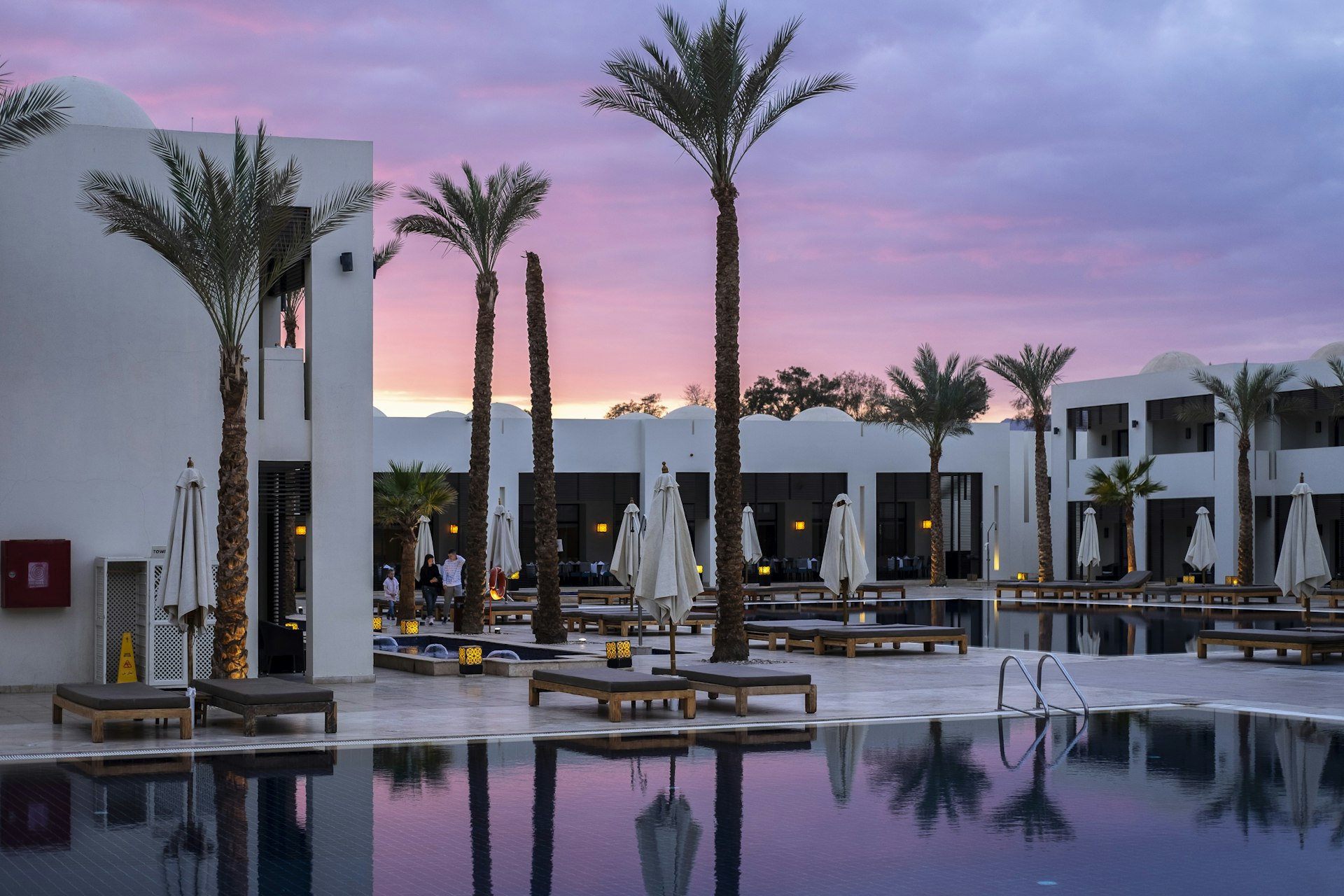
Why it makes the list. A rare luxury ryokan inside a Tokyo tower, with tatami floors, futon bedding, a per-floor host lounge and a top-floor onsen drawing on hot-spring water piped up through the building. It brings the full ryokan ritual to the city.

What to book. A Sakura or higher room for space; the rooftop open-air onsen is the highlight, especially after dark.

Honest con. An urban tower, so the views are cityscape rather than landscape, and the Otemachi business district is quiet at night. The ryokan formality, shoes off at the entrance, is part of the experience but unfamiliar to some.

9.3Bath
9.4Design
9.4Service
9.3Cuisine
8.8Setting
Best for: A true ryokan in the capital · $$$$Check rates →

Why it makes the list. A riverside property in Arashiyama with gardens, traditional architecture and several suites featuring their own open-air hot-spring baths, blending ryokan sensibility with international-hotel service.

What to book. A suite with a private outdoor hot-spring bath; these are the reason to choose Suiran over a standard room.

Honest con. As a Luxury Collection hotel it is a ryokan-style hotel rather than a pure ryokan, so the service is hotel-led. Arashiyama is beautiful but a distance from central Kyoto's nightlife and dining.

9.0Bath
9.0Design
9.0Service
8.9Cuisine
9.2Setting
Best for: Garden suites with private baths · $$$Check rates →

Banyan Tree Higashiyama Kyoto

Higashiyama, Kyoto
9.1

Why it makes the list. A hillside hotel above the Higashiyama temple district where every room has its own onsen-style hot-spring bath, paired with a teahouse and theatre and views over Kyoto. A contemporary take on the bathing-led stay.

What to book. A room with a city or mountain view; the in-room hot-spring bath is standard, so soak with the Kyoto skyline.

Honest con. The hillside location involves slopes and a short distance from the flat temple streets. It is a modern hotel interpretation rather than a traditional tatami ryokan.

9.1Bath
9.2Design
9.1Service
9.0Cuisine
9.1Setting
Best for: Hillside onsen rooms · $$$$Check rates →

Luxury hotels for the onsen-and-kaiseki experience

These are luxury hotels, not ryokan, but they deliver the core pleasures travelers associate with the form: deep Japanese baths and exceptional seasonal cuisine. Choose these for a tower-hotel bed and city polish with the bathing ritual intact, and the ryokan picks above for tatami and futons.

Aman Tokyo

Otemachi, Tokyo
9.2

Why it makes the list. Atop an Otemachi tower, Aman gives every room a deep stone or wood ofuro soaking tub framed by huge windows, plus a vast spa with a thirty-meter pool. The Japanese bathing ritual at full luxury, in the heart of Tokyo.

What to book. A Premier or corner room high enough for the Mount Fuji outlook and the best bath light.

Honest con. It is a city hotel, not a ryokan, with no natural onsen and no tatami or kaiseki-in-room tradition. The calm is engineered, and the Otemachi setting is business-district.

9.0Bath
9.5Design
9.4Service
9.0Cuisine
9.0Setting
Best for: The bathing ritual, city-style · $$$$Check rates →

Janu Tokyo

Azabudai Hills, Tokyo
9.0

Why it makes the list. Aman's livelier sister brand opened with one of the largest wellness centers in Tokyo, including thermal bathing facilities, alongside multiple restaurants. A modern, social take on the bath-and-dine ritual.

What to book. A higher-category room for space and views over Azabudai Hills; the wellness and thermal floor is the differentiator.

Honest con. A large, social hotel rather than an intimate ryokan, so the mood is energetic, not meditative. The thermal facilities are spa-style rather than a natural onsen.

8.9Bath
9.2Design
9.1Service
9.0Cuisine
8.8Setting
Best for: Wellness and thermal bathing · $$$$Check rates →

The Ritz-Carlton, Kyoto

Kamogawa riverside, Kyoto
9.1

Why it makes the list. On the Kamogawa River in central Kyoto, with rooms inspired by traditional machiya townhouses, deep soaking tubs and a strong kaiseki and Japanese dining program. The most convenient luxury base for exploring the city.

What to book. A river-view room for the water and mountain outlook; book the in-house kaiseki restaurant.

Honest con. A full international hotel, so it lacks the tatami-and-futon ryokan intimacy. Central riverside location is convenient but not the rural onsen escape some seek.

8.8Bath
9.1Design
9.3Service
9.2Cuisine
9.1Setting
Best for: Riverside city base with deep baths · $$$$Check rates →

Four Seasons Hotel Kyoto

Higashiyama, Kyoto
9.0

Why it makes the list. Built around an 800-year-old pond garden, the Shakusui-en, with deep soaking tubs, a strong spa and refined Japanese and Italian dining. It pairs Four Seasons consistency with a genuinely historic Kyoto setting.

What to book. A room overlooking the pond garden; the garden and spa are the calm at the center of the hotel.

Honest con. It is a large international hotel rather than a ryokan, so the experience is hotel-led. The Higashiyama-fringe location is a short ride from the central sights.

8.7Bath
9.2Design
9.3Service
9.0Cuisine
9.2Setting
Best for: Garden serenity and family-friendly calm · $$$$Check rates →

Park Hyatt Kyoto

Higashiyama, Kyoto
9.0

Why it makes the list. In the heart of the Higashiyama temple district near Kiyomizu-dera, with rooms featuring deep Japanese soaking tubs, machiya-inspired design and some of the best temple-and-pagoda views in the city.

What to book. A room facing the Yasaka Pagoda or the eastern hills; the location lets you walk the old streets before the crowds.

Honest con. A hotel, not a ryokan, with no natural onsen. The atmospheric Higashiyama streets at its door are among the busiest tourist lanes in Kyoto by day.

8.7Bath
9.1Design
9.1Service
9.0Cuisine
9.3Setting
Best for: Temple-district views and deep tubs · $$$$Check rates →
Keep exploring

Browse other hotel types

Back to the full hotel types index, or compare with the closest related styles:
Good to know

Frequently asked questions

What is the difference between a ryokan and an onsen?

A ryokan is a traditional Japanese inn, with tatami rooms, futon bedding, kaiseki dining and host-led service. An onsen is specifically a bath fed by a natural hot spring. Many ryokan have an onsen, which is the classic pairing, but a hotel can have an onsen without being a ryokan, and a ryokan can have an ordinary ofuro bath rather than a natural hot spring.

What is the best luxury ryokan in Japan?

For an authentic luxury ryokan, HOSHINOYA Kyoto, reached by private boat up the Oi River, leads, with Aman Kyoto offering a forest-set onsen and HOSHINOYA Tokyo bringing the true ryokan format to the capital with a rooftop hot-spring bath. The best choice depends on whether you want rural Kyoto, a forest garden or a city-center base.

Can you experience a ryokan in Tokyo?

Yes. HOSHINOYA Tokyo is a genuine luxury ryokan inside an Otemachi tower, with tatami rooms, futon bedding, per-floor host lounges and a top-floor onsen fed by hot-spring water. For the bathing ritual in a conventional hotel rather than a ryokan, Aman Tokyo gives every room a deep ofuro soaking tub and a large spa.

Do luxury ryokan and onsen hotels allow tattoos?

Policies vary. Traditional public onsen often prohibit visible tattoos, but luxury ryokan and hotels with private or in-room baths usually sidestep the issue entirely, since you bathe privately. If you have tattoos and want hot-spring bathing, choose a property with private onsen baths, such as Suiran or Banyan Tree Higashiyama, and confirm the policy when booking.

What is kaiseki and is it included at a ryokan?

Kaiseki is a traditional multi-course Japanese dinner built around seasonal and local ingredients, served as an art form. At a classic ryokan, an elaborate kaiseki dinner, and often breakfast, is typically included in the room rate and served in-room or in a private dining space. At the hotels on this list, kaiseki is usually available in a restaurant but charged separately, so confirm what your rate includes.

How much does a luxury ryokan cost per night?

Luxury ryokan and onsen hotels in Japan generally start in the upper-three-figure range per night and rise into four figures at flagships like HOSHINOYA and Aman. Rates at true ryokan often include kaiseki dinner and breakfast, which improves the value comparison. City hotels usually price the room and meals separately, so read the inclusions before comparing.

What is the etiquette for using an onsen?

Wash and rinse thoroughly at the seated showers before entering the bath, since the onsen water is for soaking, not cleaning. Bathe nude, as swimwear is not worn, keep the small towel out of the water, and tie up long hair. Baths are usually separated by sex unless private. At luxury ryokan with in-room or private onsen, you can follow the ritual in complete privacy.

Ready?

Find your luxury ryokan.

Curated by hand. Verified against current property information. Independent.

The King’s Suite

Weekly: hotel reviews, destination guides, and occasion recommendations.