Asia has the most-varied luxury hotel landscape in the world. The destinations range from urban Tokyo to jungle Bali to overwater Maldives. Each requires different planning. The framework below covers the seven major Asian luxury destinations.
The seven major destinations
Tokyo
Urban luxury combined with traditional Japanese hospitality. Aman Tokyo, Mandarin Oriental Tokyo, the Peninsula Tokyo. Strong across business, leisure, and romance.
Best for: business + leisure combinations, anniversary celebrations, cultural travel.
See best hotels in Tokyo 2026.
Bali
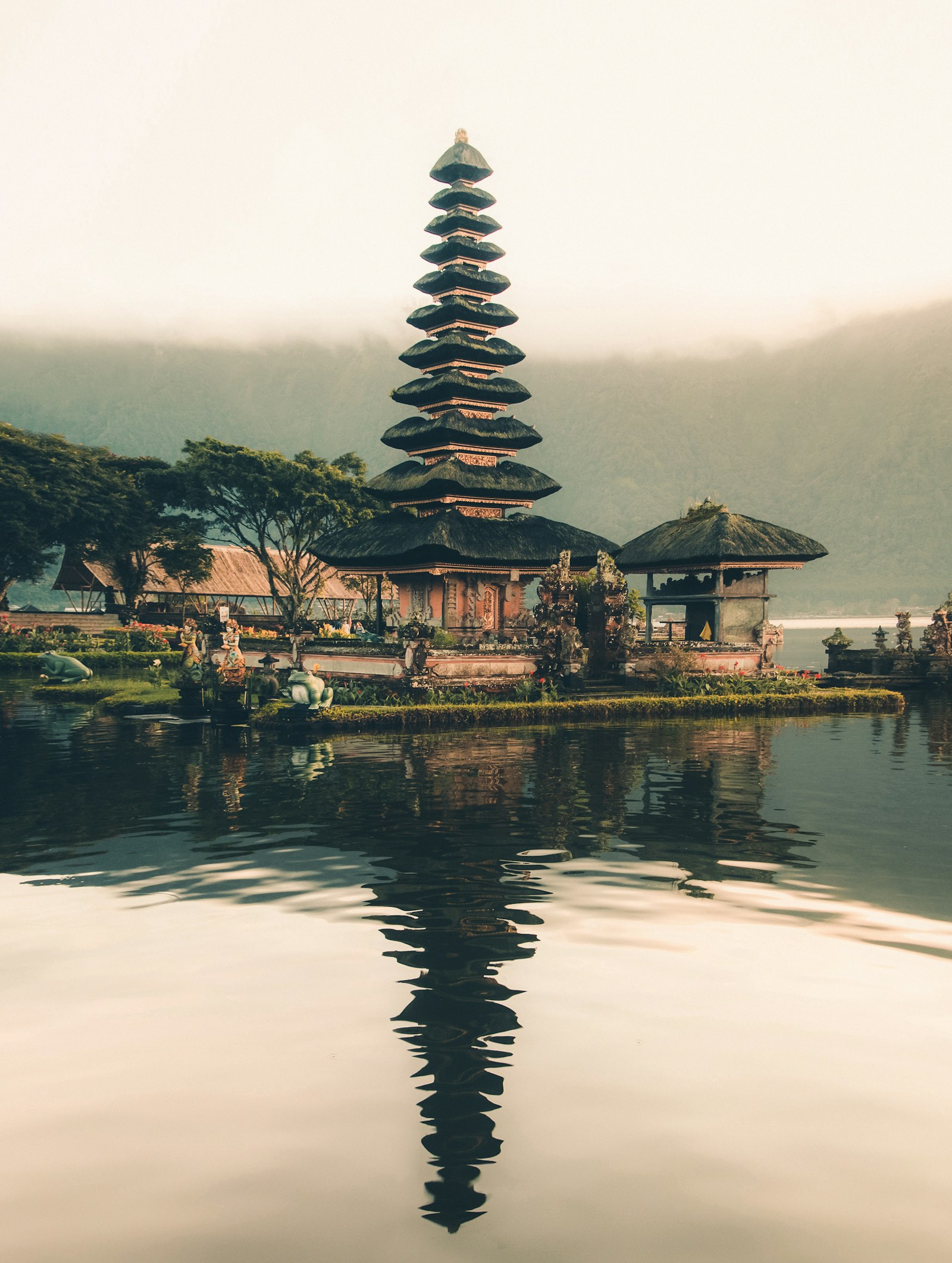
Tropical luxury at exceptional value. Como Shambhala Estate, Mandapa Ritz-Carlton Reserve, Alila Villas Uluwatu. Strong for honeymoon, wellness, and family.
Best for: honeymoon, wellness retreats, family travel.
Dubai
Theatrical urban luxury. Atlantis The Royal, Bvlgari Resort Dubai, the Burj Al Arab. Strong for celebration weekends, business, family.
Best for: celebration weekends, business travel, multi-generational family.
See best hotels in Dubai 2026.
Maldives
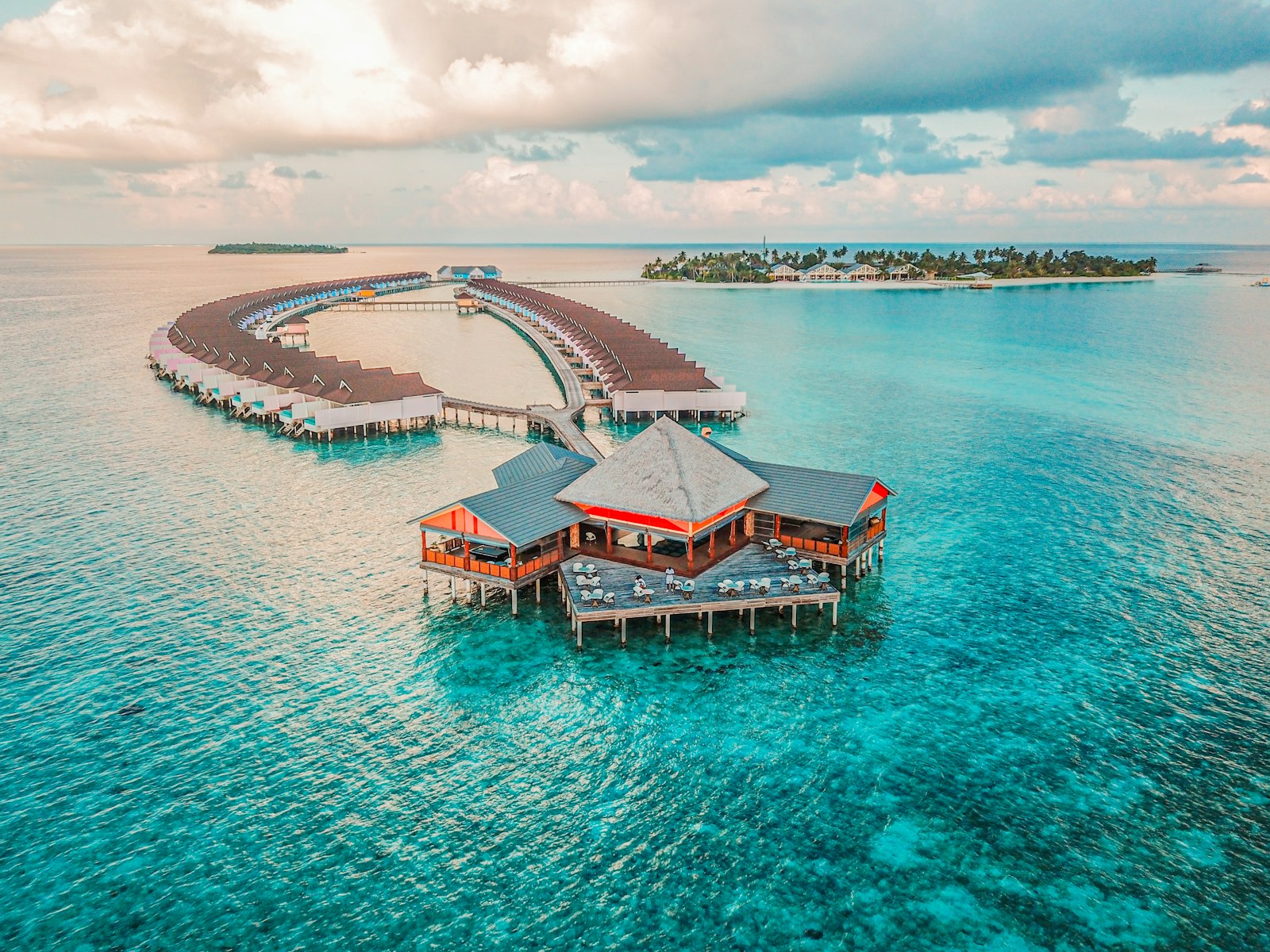
The defining overwater luxury destination. Soneva Jani, Cheval Blanc Randheli, Six Senses Laamu. Honeymoon-focused.
Best for: honeymoon, anniversary celebrations, photography-focused trips.
See best hotels in Maldives 2026.
Singapore
Asian business luxury. Marina Bay Sands, Capella Singapore, Mandarin Oriental Singapore.
Best for: business + leisure combinations, family travel, multi-city Asian trips.
See best hotels in Singapore 2026.
Phuket
Tropical Thailand luxury. Aman Phuket, Six Senses Yao Noi, Trisara. Strong honeymoon and family.
Best for: honeymoon, family beach travel, wellness retreats.
See best hotels in Phuket 2026.
Sri Lanka
Underrated Asian luxury at exceptional value. Cape Weligama, Anantara Peace Haven, Tri Lanka.
Best for: cultural travel, honeymoon, repeat Asia visitors.
See best hotels in Sri Lanka 2026.
How Asian destinations differ
Three specific differences from European or US destinations:
Difference 1: traditional hospitality cultures
Japan, Thailand, Indonesia, Sri Lanka all have deep traditional hospitality cultures (ryokan, traditional Thai healing, Balinese ceremonies, Sri Lankan welcome rituals). The cultural integration enriches the experience.
Difference 2: value relative to comparable luxury
Asian luxury hotels typically deliver 80% of European luxury at 50-70% of European rates. The value calculation is dramatically better.
Difference 3: distance from major Western markets
Long flights from US and Europe make Asian trips logistically intensive. Multi-stop trips with stopovers are common.
How to plan an Asian trip
Three rules:
Rule 1: combine destinations
Asian travel rewards multi-destination trips. Tokyo + Kyoto, Bali + Singapore, Maldives + Sri Lanka, Phuket + Bangkok all work.
Rule 2: stopover cities
Singapore and Bangkok function as natural stopover cities for travellers heading further into Asia. Build them into the trip rather than transiting through.
Rule 3: book Tokyo / Bali peak season early
Cherry blossom Tokyo (late March-April) and Bali peak season (July-August) sell out 9-12 months ahead at the strong properties.
Five rules for Asian destination hotel selection
- Match the destination to the trip type
- Combine destinations for the longer flight payback
- Use stopover cities to break up long travel
- Asian shoulder seasons (April-May, September-October) are dramatic value
- Local concierges arrange experiences that international travellers do not get otherwise
For more, see the destination-specific guides linked above.