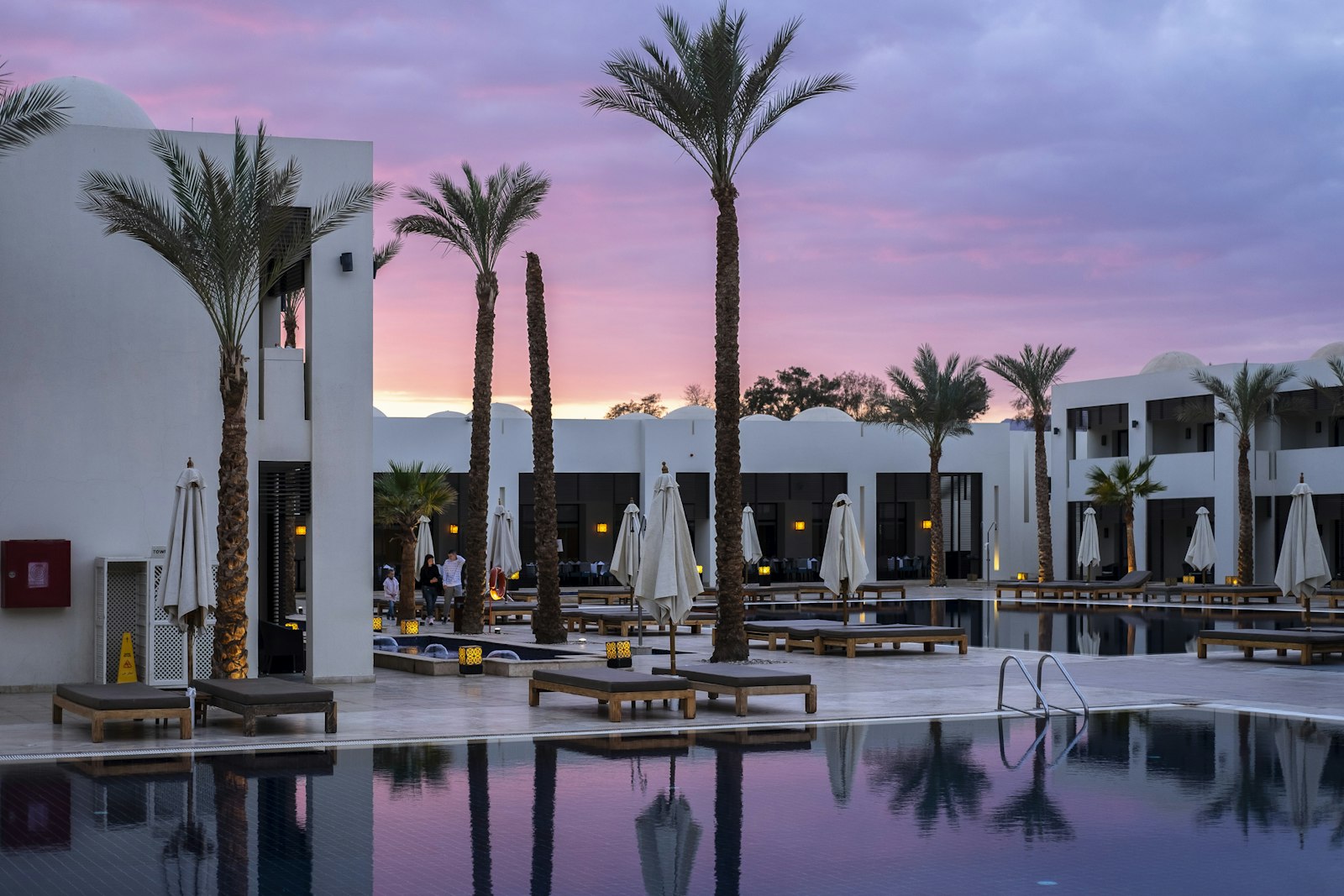
Choosing between luxury hotel brands is a question of philosophy more than quality. Each major brand has invested in a particular approach to luxury hospitality. The framework below covers what each brand actually delivers and where each is the right choice.
The major luxury brand groupings
Five distinct categories:
1. Aspirational ultra-luxury (Aman, Bvlgari Hotels, Cheval Blanc)
Distinguishing feature: the property itself is the destination. Aman emphasises restraint; Bvlgari emphasises Italian luxury; Cheval Blanc emphasises French refinement.
Compared in Aman vs Six Senses vs One&Only.
2. Established 5-star (Four Seasons, Mandarin Oriental, the Peninsula)
Distinguishing feature: service consistency at a high level. The brands have decades of operational discipline. Compare across cities, the experience is reliably similar.
Compared in Four Seasons vs Ritz-Carlton vs St Regis.
3. Wellness-led luxury (Six Senses, Como Hotels, Soneva)
Distinguishing feature: wellness is the brand identity, not an amenity. Each property is built around wellness programming.
4. Lifestyle / boutique chain (W Hotels, Edition, Ace, 1 Hotels)
Distinguishing feature: design-led, younger demographic, urban focus. Less traditional luxury; more contemporary.
Compared in W Hotels vs Edition vs Ace.
5. Heritage luxury (Belmond, Rosewood, Mandarin Oriental for some properties)
Distinguishing feature: historic buildings, heritage atmosphere, generations of operating experience.
How to choose between brands
Three rules:
Rule 1: match brand philosophy to occasion
Honeymoon at Aman vs honeymoon at W Hotels are different trips. Both are luxury; the philosophies differ. Match the brand to your occasion.
Rule 2: consider the property within the brand
Within any brand, individual properties vary. The Four Seasons George V Paris is different from the Four Seasons Kuwait. Brand reputation is the starting point; property reputation is the verification.
Rule 3: match brand to your travel pattern
Frequent travellers benefit from concentrating on one brand for loyalty programme depth. Occasional travellers benefit from variety across brands.
Brand-by-brand strengths
Quick reference:
Aman
Strongest at: privacy, wellness, restrained luxury, single-property destinations. Weak for: business travel (urban properties limited), family travel (children tolerated not courted), bachelor / bachelorette groups.
Four Seasons
Strongest at: consistency, business travel, multi-generational family, urban luxury. Weak for: boutique scale, design-forward distinctiveness.
Mandarin Oriental
Strongest at: urban Asian luxury, business travel, food and beverage programmes. Weak for: resort travel, beach destinations (limited inventory).
The Peninsula
Strongest at: heritage Asian luxury, executive travel, formal celebration. Weak for: contemporary design preferences, beach travel.
Bvlgari Hotels
Strongest at: contemporary Italian luxury, design-forward couples, fashion-conscious travel. Weak for: heritage atmosphere, traditional luxury.
Six Senses
Strongest at: wellness-luxury combination, sustainable luxury, single-property destinations. Weak for: traditional business travel, urban hospitality (only recently entered).
Belmond
Strongest at: heritage properties, train and river journeys, slow-luxury programming. Weak for: contemporary properties, business travel.
W Hotels / Edition / Ace
Strongest at: design-led urban hospitality, younger demographic, lifestyle focus. Weak for: traditional luxury occasions, executive travel where formality matters.
Where loyalty matters
Different programmes have different leverage. See Marriott vs Hilton vs Hyatt loyalty comparison for the deep dive.
The summary:
- World of Hyatt: best per-stay benefits, smallest portfolio
- Marriott Bonvoy: largest portfolio, weaker per-stay benefits
- Hilton Honors: strongest mid-tier benefits, weakest points value
- Accor ALL: strongest European portfolio
- IHG One Rewards: strongest at InterContinental and Six Senses
What about independent hotels
Many of the strongest luxury hotels are independent rather than branded. Le Sirenuse, Aman Venice (technically Aman branded), the Carlyle, Dunton Hot Springs.
See independent vs chain hotels: pros and cons for the framework.
The summary: independent hotels deliver distinctive character but variable service. Chain hotels deliver consistent service but variable distinctiveness.
Five rules for brand selection
- Match brand philosophy to occasion type
- Verify the specific property within the brand (recent reviews, renovation status)
- Concentrate on 1-2 brands for loyalty programme depth
- Use luxury travel agents for amenity stacking across brands
- Independent hotels are credible alternatives to chains for occasion-led travel
For more, see the deep-dive comparisons linked above and the best hotels by type guide.