Wellness travel has split into two distinct categories — wellness hotels (luxury hotels with spa programmes) and wellness retreats (medical or programmatic stays at clinical-grade properties). Choosing between them is the first decision; choosing the right property within each is the second.
This guide is the working framework we use for both.
The two categories
Category 1: wellness hotels
Luxury hotels that have invested seriously in spa, wellness programmes, and supportive amenities. The spa is the headline feature; the rest of the hotel functions as a normal luxury property.
Strongest examples: Aman properties, Six Senses properties, Como Hotels properties.
These work for: travellers who want wellness as part of a luxury holiday, not as the entire focus.
Category 2: wellness retreats
Properties built around structured wellness programmes. The accommodation is luxury-grade; the experience is medical or programmatic.
Strongest examples: Lanserhof Tegernsee, Clinique La Prairie, Palazzo Fiuggi, Como Shambhala Estate.
These work for: travellers committed to specific health or behaviour change in a structured environment.
The difference matters. A wellness hotel will let you skip yoga to spend the day at the pool. A wellness retreat will not — the programme is the point.
Six things to evaluate
Before booking any wellness property, evaluate against six specific criteria:
1. Practitioner credentials
Real wellness hotels have residential practitioners — doctors, nutritionists, yoga teachers, physiotherapists. Casual wellness hotels have a small spa team and bring in practitioners on demand.
Ask: how many full-time wellness staff does the property employ? Properties with 10+ residential wellness staff are credible. Properties with 2-3 are typically spa-only.
2. Programme structure
Real wellness retreats have published daily programmes, structured arcs, and intake protocols. The day starts with breath work or yoga, includes structured meals, and ends with reflection or rest. Wellness hotels offer optional spa services with no required structure.
3. Kitchen capability
A real wellness kitchen can cook for restrictive diets without complaint. Vegan, gluten-free, sugar-free, anti-inflammatory — all on the menu. The kitchen at most luxury hotels can manage one or two of these but not all simultaneously.
4. Setting
Real wellness happens in nature. Mountains, forests, oceans, hot springs. Urban "wellness" properties are spa-led luxury, not wellness retreats. The setting itself produces 30% of the wellness effect.
5. Staff to guest ratio
Strong wellness retreats operate at 2:1 staff-to-guest ratios. The personal attention is structural, not optional.
6. Length of stay alignment
A real wellness programme requires 5-7 days minimum. Properties that market 2-3 day "wellness weekends" are luxury hotels with spa branding.
Geographic patterns
The strongest wellness destinations cluster geographically:
Asia
Bali (Como Shambhala, Mandapa), Thailand (Six Senses Yao Noi), India (Ananda in the Himalayas).
The Asian wellness model: traditional medicine systems (Ayurveda, traditional Chinese medicine, Thai healing), residential practitioners, lower cost than European or American equivalents.
Europe
Switzerland (Clinique La Prairie), Bavaria (Lanserhof Tegernsee), Italy (Palazzo Fiuggi, Lefay Lago di Garda), Austria (Lanserhof Lans).
The European wellness model: medical-grade clinics with luxury hotel layered on top. Higher cost; more clinical orientation.
Americas
Costa Rica (Nayara Tented Camp), Mexico (Esencia), Arizona (Miraval, Canyon Ranch).
The American wellness model: more leisure-leaning. Stronger at "wellness holiday" than at structured retreat.
Matching the property to the goal
A specific framework for choosing:
Goal: weight loss / body composition change
The European clinics (Lanserhof, Clinique La Prairie) are the strongest. The medical infrastructure is real; the protocols are structured.
Goal: stress recovery / sleep restoration
Como Shambhala, Six Senses Laamu, Aman properties. The combination of nature setting, structured rest, and quality nutrition produces measurable change in 5-7 days.
Goal: mental health / mindfulness
Ananda (Himalayas), Six Senses properties, the Japanese ryokan tradition. The deeper meditative tradition produces stronger mindfulness outcomes.
Goal: physical fitness / training
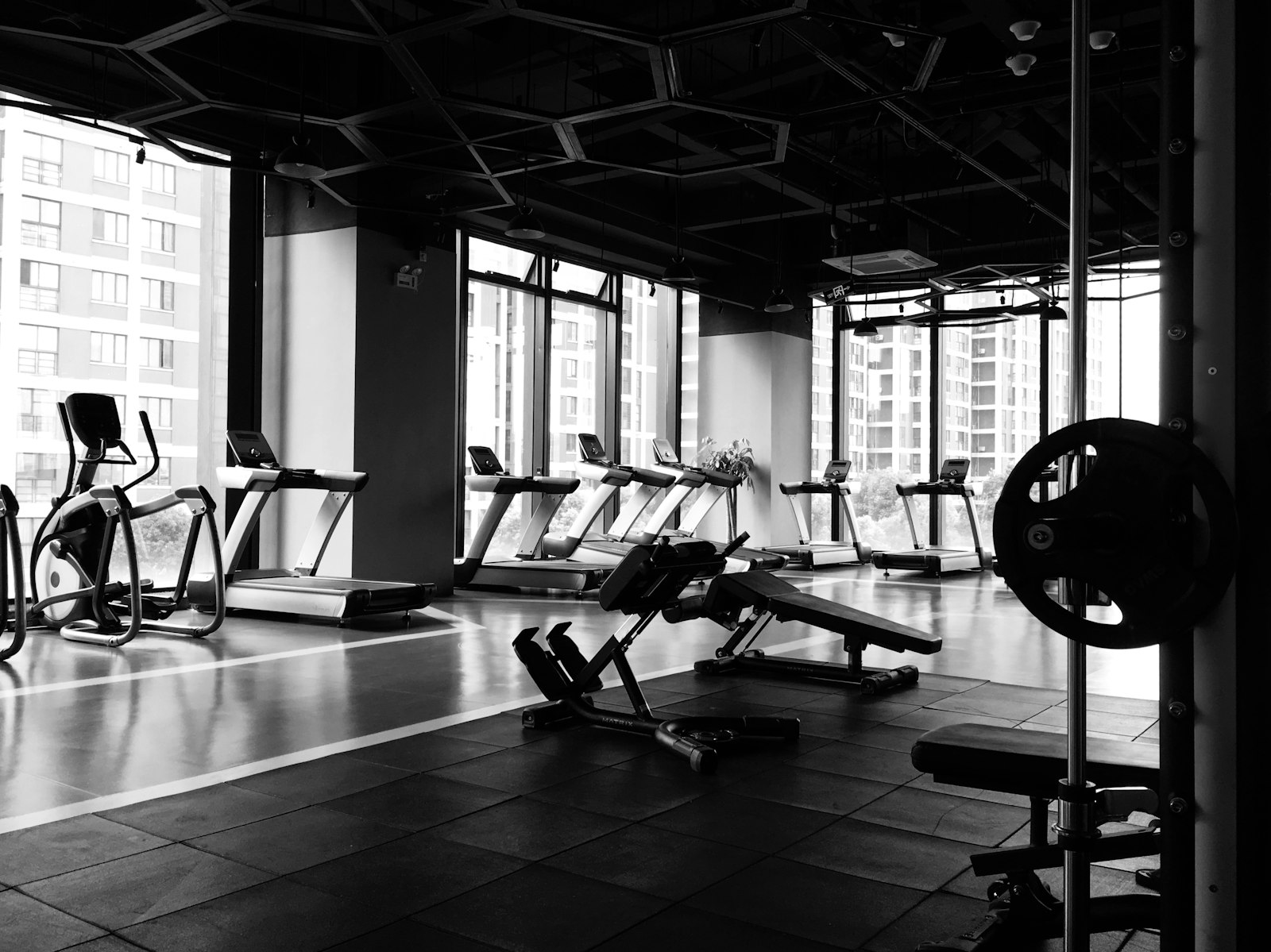
Hotel-spas with serious gyms are inferior to dedicated training retreats. Look at facilities like Mountain Trek (BC), VeraSpa, or Olympic-level training facilities.
Goal: detox / clean eating
The European medical retreats and certain Asian properties (Ananda, Como Shambhala) are credible. Most "wellness hotels" do not have the kitchen infrastructure for serious detox.
When wellness is the wrong choice
Three scenarios where a wellness retreat is the wrong answer:
- The traveller seeks general luxury, not wellness change (book a normal luxury hotel)
- The traveller cannot commit to the programme (the retreat will be wasted)
- The traveller is travelling with someone who does not want wellness (the social dynamic undermines the retreat)
For these, choose a wellness hotel rather than a structured retreat. The wellness amenities are available; the structured commitment is not required.
What to ask before booking
Three specific questions:
- What is your typical guest profile — wellness retreat or luxury holiday with spa? The honest answer separates real wellness from marketing.
- What is the staff-to-guest ratio for wellness staff specifically (not general hotel staff)?
- Can the kitchen accommodate my specific dietary requirements without limitation?
Hotels that answer specifically and quickly are credible. Hotels that respond with marketing copy are typically not.
Five rules for wellness property selection
- Match the property type (hotel vs. retreat) to your goal
- Verify practitioner credentials before booking
- Stay 5-7 days minimum for any real wellness change
- Avoid urban "wellness" hotels — the setting matters
- Use the European medical retreats for serious clinical wellness, Asian properties for traditional / spiritual, Americas for leisure-leaning
For more depth, see the best spa hotels in the world, yoga retreat hotels, digital detox hotels, and the best wellness retreat hotels.