The single most-asked question in city travel is which neighbourhood to stay in. The answer is rarely the one tourists default to. The right neighbourhood is the one that matches your trip, your budget, and your tolerance for inconvenience. The framework below applies to any major city.
This guide covers the principles. The city-specific guides linked at the end apply them.
The four neighbourhood types in any city
Every major city has four broad categories of neighbourhood, each suited to different trips:
The tourist district
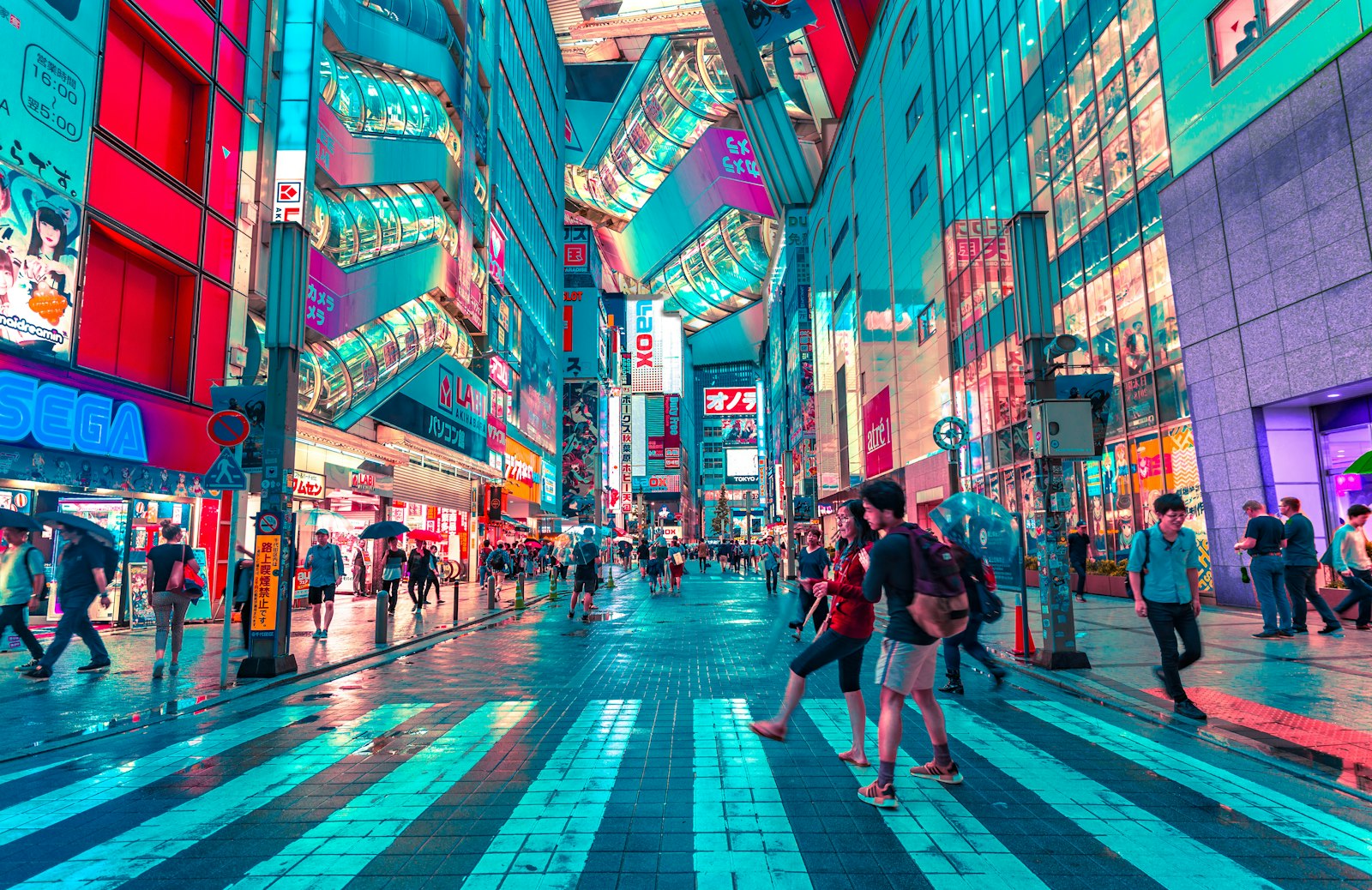
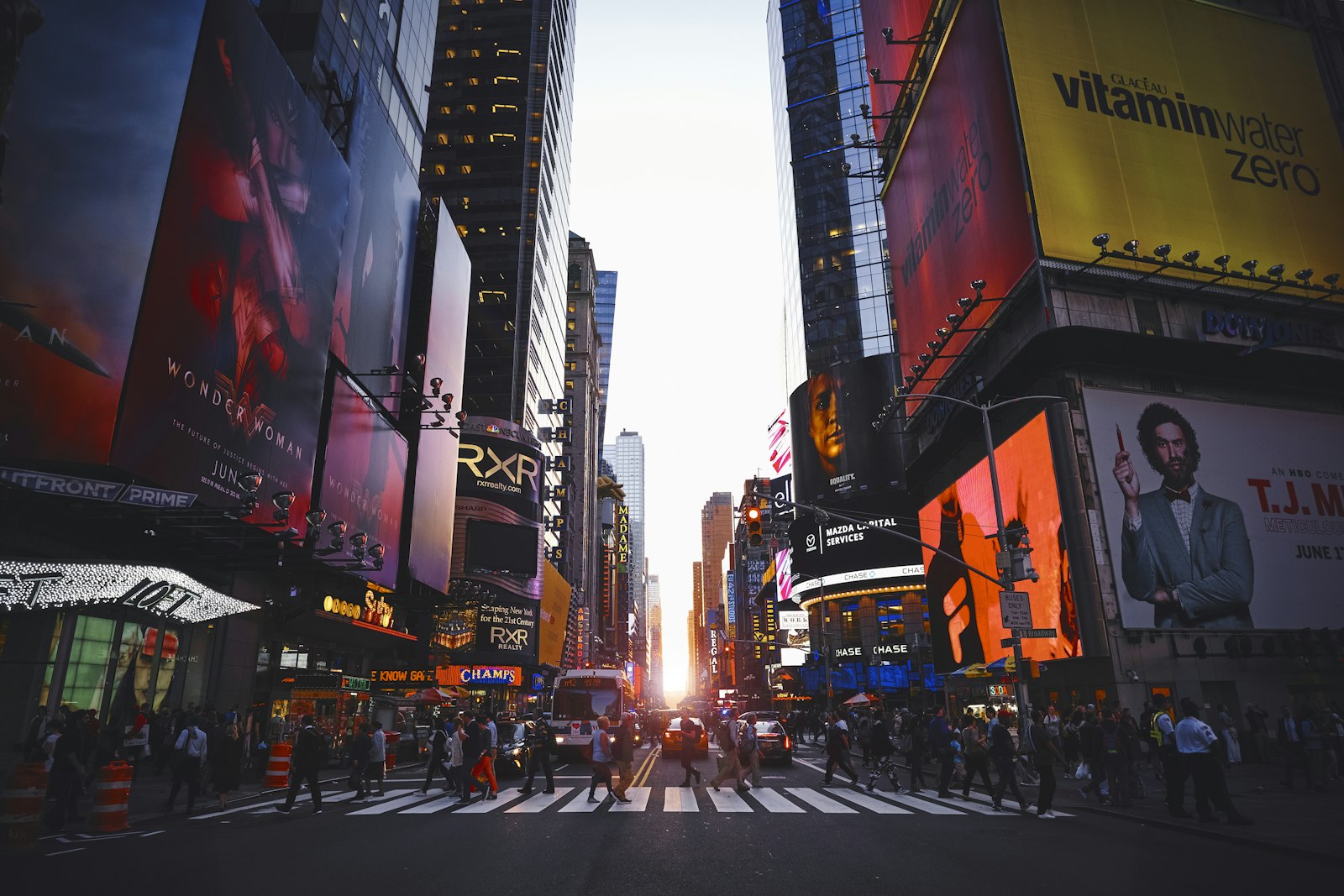
The neighbourhood that visitors gravitate to first — Times Square in New York, the Marais and Champs-Élysées in Paris, Shibuya in Tokyo. The hotels are abundant. The food is mediocre. The energy is exhausting.
The tourist district works for: first-time visitors who want walking access to landmarks, business travellers with one day off who want to see the icons, families who prioritise convenience over discovery.
The tourist district fails for: returning visitors who want depth, anyone seeking quiet, couples on a romantic trip.
The business district
The neighbourhood built around corporate towers — Midtown in New York, La Défense in Paris, Marunouchi in Tokyo. The hotels are functional. The restaurants close early. The streets empty by 8pm.
The business district works for: business travellers, executives with morning meetings, anyone optimising for proximity to corporate offices.
The business district fails for: leisure travellers, weekend stays, anyone wanting evening atmosphere.
The residential luxury neighbourhood
The neighbourhood where wealthy locals actually live — the Upper East Side in New York, the 7th and 8th arrondissements in Paris, Aoyama in Tokyo. The hotels are smaller and more discreet. The restaurants are quietly excellent. The energy is calm.
The residential luxury neighbourhood works for: anniversary couples, returning visitors, anyone who wants depth over icon-hunting.
The residential luxury neighbourhood fails for: first-time visitors who want to maximise walking-distance landmarks, business travellers with central meetings.
The emerging neighbourhood
The neighbourhood that locals talk about now — the Lower East Side in New York, the 11th in Paris, Naka-Meguro in Tokyo. The hotels are typically newer boutiques. The restaurants are the most interesting in the city. The energy is creative.
The emerging neighbourhood works for: design-conscious travellers, food-focused trips, second or third visits to a city.
The emerging neighbourhood fails for: first-time visitors who want classic city iconography, families with logistical needs.
The decision framework
A simple decision tree for choosing the neighbourhood:
- Is this a first or second visit? First → tourist or residential luxury district. Second+ → emerging or residential luxury.
- Is the trip leisure or business? Business → business district or central residential luxury. Leisure → residential luxury or emerging.
- Is there a partner with different priorities? Yes → residential luxury (it works for both).
- What is the trip length? 2-3 nights → tourist or central. 4-7 nights → residential luxury or split (some nights in each).
Most luxury travellers default to the tourist district on every visit. The framework recommends graduating to the residential luxury neighbourhood by visit two and the emerging neighbourhood by visit three.
The hotel-within-neighbourhood decision
Once the neighbourhood is chosen, the hotel decision follows three rules:
Rule 1: position within the neighbourhood
A residential luxury neighbourhood has a gradient. The streets closest to the tourist district are louder and busier. The streets furthest into the neighbourhood are quietest. Choose hotels deeper into the neighbourhood for romance and quiet; choose hotels at the boundary for walking access to attractions.
Rule 2: heritage versus contemporary
Heritage hotels (Le Bristol, the Ritz, Aman Tokyo) carry the character of the neighbourhood. Contemporary hotels (Edition, Andaz, the recent Bvlgari properties) provide modern luxury but feel less rooted. The right choice depends on what you want from the city.
Rule 3: chain versus independent
Chain hotels (Four Seasons, Mandarin Oriental, Park Hyatt) deliver consistent service and easy loyalty. Independent hotels deliver distinctive character but variable service. The trade-off is real; weight by the importance of the trip.
A practical example
Consider a couple's anniversary trip to Paris, third visit. The framework produces:
- First visit hotel: probably Le Bristol or the Ritz (1st arrondissement, tourist-luxury hybrid)
- Second visit hotel: probably the Plaza Athénée or Le Meurice (more refined location)
- Third visit hotel: should be the Saint James Paris (16th arrondissement, residential luxury) or J.K. Place Paris (6th arrondissement, residential luxury boutique)
Each successive hotel goes deeper into Paris that locals know. The view of the city from the third-visit hotel is materially different from the first-visit hotel. Both are correct in their context.
Twelve cities, twelve frameworks
The hotel directory at HotelsForKings.com covers 100 cities. The twelve cities most-frequently asked about by travellers, with their key neighbourhoods:
New York
- Tourist district: Midtown West (Times Square area)
- Business district: Midtown East, Financial District
- Residential luxury: Upper East Side, West Village
- Emerging: Lower East Side, Williamsburg (Brooklyn)
See the New York hotel guide for specific picks.
London
- Tourist district: Westminster, Covent Garden
- Business district: City of London, Canary Wharf
- Residential luxury: Mayfair, Chelsea, Knightsbridge
- Emerging: Shoreditch, Marylebone
Paris
- Tourist district: 1st, 4th, 8th arrondissements
- Business district: La Défense, 8th arrondissement
- Residential luxury: 7th, 16th arrondissements
- Emerging: 10th, 11th, 18th (Montmartre)
Tokyo
- Tourist district: Shinjuku, Shibuya, Ginza
- Business district: Marunouchi, Otemachi
- Residential luxury: Aoyama, Roppongi Hills
- Emerging: Naka-Meguro, Yanaka, Daikanyama
Dubai
- Tourist district: Downtown Dubai, Dubai Marina
- Business district: DIFC, Sheikh Zayed Road
- Residential luxury: Palm Jumeirah, Emirates Hills (the limited hotel options)
- Emerging: Al Wasl, Jumeirah Bay
Bali
- Tourist district: Kuta, Seminyak central strip
- Business / digital nomad: Canggu
- Residential luxury: Ubud (jungle), Uluwatu (cliffs)
- Emerging: Nusa Lembongan, north coast
See the Bali area guide.
Barcelona
- Tourist district: La Rambla, Barceloneta
- Business district: Eixample (modern part)
- Residential luxury: Eixample Esquerra, Pedralbes
- Emerging: El Born, Gràcia, Poblenou
See the Barcelona hotel guide.
Miami
- Tourist district: South Beach (Ocean Drive area)
- Business district: Brickell
- Residential luxury: Coconut Grove, Coral Gables
- Emerging: Wynwood, Edgewater, Mid-Beach
Three pieces of universal advice
For any city, three rules consistently improve the trip:
- Read the neighbourhood guide before choosing the hotel, not after
- Verify walking distances to your specific destinations on a real map
- Stay closer to the centre on short trips, deeper into the neighbourhood on long trips
The hotel matters less than most travellers think. The neighbourhood matters more.
When to split between neighbourhoods
A specific tactic for trips of 5+ nights: split between two neighbourhoods.
Three nights in the residential luxury neighbourhood for the romantic / quiet portion of the trip. Three nights in the emerging neighbourhood for the food / discovery portion. The change of context refreshes the trip and lets you experience two different sides of the city.
This works particularly well in Paris, Tokyo, Mexico City, and Lisbon — cities with strong distinctions between neighbourhood characters.
How neighbourhood choice affects daily rhythm
A specific point most travellers miss: the neighbourhood you choose determines the daily rhythm of the trip more than the hotel itself.
In a tourist-district hotel, the rhythm is determined by the tourist flow — early-morning queues at landmarks, midday lunch crowds, evening prix-fixe dinners. The day is structured around the city's tourist infrastructure.
In a residential luxury neighbourhood, the rhythm is determined by the local residents — slower mornings, lunch at neighbourhood bistros, evening walks past dog parks. The day is structured around how locals actually live.
The difference compounds across a 5-night stay. Travellers who change neighbourhoods between trips report dramatically different impressions of the same city.
The cost gradient by neighbourhood
A specific pattern: hotels in tourist districts cost more per square metre than hotels in residential luxury neighbourhoods.
The economics: tourist district hotels know guests will pay a premium for proximity to landmarks. Residential luxury hotels compete on quality rather than location, and price accordingly.
For travellers willing to walk 15-20 minutes to landmarks, the residential luxury alternative typically delivers 30-40% more space and amenity for the same rate.
Three cities where neighbourhood choice matters most
Three cities where the neighbourhood decision has unusual weight:
Tokyo
Tokyo is functionally several cities. Each neighbourhood (Marunouchi, Shibuya, Aoyama, Ginza) is its own functional centre with restaurants, retail, and culture. Choosing the wrong neighbourhood means commuting 30-60 minutes daily for things in the right neighbourhood.
Mexico City
Mexico City's neighbourhoods (Polanco, Roma, Condesa, San Ángel) are each distinct. The food culture is heavily neighbourhood-bound; the right neighbourhood for a foodie is different from the right neighbourhood for a business traveller.
Buenos Aires
Buenos Aires neighbourhoods (Palermo, Recoleta, San Telmo, Belgrano) are similarly distinct. The tango culture, the steakhouses, the cafe culture all shift by neighbourhood.
For these three cities especially, choose the neighbourhood before the hotel.
A specific seasonal layer
The right neighbourhood can also shift by season. Two examples:
In London, Mayfair is correct year-round. Shoreditch is correct in summer (the East End comes alive); less so in winter when the smaller restaurants close earlier.
In Tokyo, Naka-Meguro is the right neighbourhood for cherry blossom season (the river path is the photograph). For winter trips, choose Otemachi or Aoyama instead.
The neighbourhood-by-season layer is rarely covered in standard city guides. Ask the concierge for the seasonal recommendation rather than the year-round one.
The future of city hotels
Three trends shaping urban hotel selection in 2026:
- The emergence of "residential" branded suite hotels (Equinox, Aman Residences, the new Bulgari) — long-stay luxury that competes with traditional hotels
- The decline of the Times Square / tourist-strip hotel as travellers wise up to the trade-offs
- The rise of the boutique chain (Edition, 1 Hotel, Citizen M at the cheaper end) — which offers chain consistency with boutique character
Each is creating new options for city travellers. The good ones are highlighted in the city-specific guides linked above.