Kyoto is where the ryokan reaches its highest form, and the best of the city's inns are less about thread counts than about ritual: tatami rooms laid with futon at night, a private or wooden bath, a multi-course kaiseki dinner served in the room, and hospitality shaped over generations. Some of these houses have run under one family for two or three centuries, and a stay is closer to being received as a guest in a private residence than checking into a hotel.
Setting shapes the choice as much as the building. The downtown inns of Nakagyo sit steps from Nishiki Market and the Kamo River, ideal for walking. The Higashiyama and Gion houses put you among the temples and stone lanes of eastern Kyoto. Nanzenji and Mt. Yoshida trade the centre for quiet garden districts near the Philosopher's Path, while Arashiyama, in the west, offers riverside seclusion, an onsen soak and, at one property, an arrival by private boat. Where you stay decides which Kyoto you wake up to.
Every ryokan below was web-verified open and trading in July 2026 against its official source, with room counts, dining and any Michelin recognition checked. Where a property is not a natural hot-spring onsen, where meal inclusion depends on the plan, or where room standards vary between an old and a new building, that is stated plainly rather than smoothed over. Rates for ryokan are quoted in different ways, some per person with two meals, some per room without, so treat the from-prices as a guide and confirm exactly what a rate covers before booking.
#1 in Kyoto
Fuya-cho, Nakagyo-ku, downtown Kyoto · Ryokan · Est. 1709 · from ¥45,000 pp

"Kyoto's benchmark ryokan: 300-plus years of family craft, in-suite kaiseki, and private baths, if you can secure a room and afford it."
9.5Room & Design
9.7Service
9.3Location
Why this rank: Tawaraya earns the top rank on depth of pedigree and consistency of experience rather than scale. Founded in 1709 and run by the same family into its eleventh generation, it has been refined over decades by proprietor Toshi Satow, who added a 1965 annex to the historic core. With only around 18 rooms spread across roughly 1,320 sqm, the ratio of staff attention to guests is high, and the format is deliberately intimate: classic futon-and-tatami rooms, in-suite kaiseki dinner and Japanese breakfast, and no public restaurant to dilute the private, residential feel. Several rooms carry their own private or semi-open-air baths, backed by a communal indoor bath. The guest history, including repeated stays by Steve Jobs, signals the calibre of people who return. It is among Kyoto's most expensive stays and notoriously hard to book, so the ranking reflects a best-in-class experience for those who can secure it, not the easiest or most affordable choice. For a traditional Kyoto ryokan judged on craft, service, and continuity, Tawaraya sets the standard the rest are measured against.
Best for: Travellers who want the most rarefied, ritual-driven traditional ryokan stay in central Kyoto and will pay a steep per-person premium for it.
#2 in Kyoto
Fuyacho Anekoji-agaru, Nakagyo-ku · Ryokan · Est. 1818 · from ¥126,500 pp

"A 200-year-old downtown ryokan with private-bath rooms and in-suite Kyo-kaiseki; storied and refined, but very expensive per person with mandatory meals."
9.4Room & Design
9.5Service
9.4Location
Why this rank: Hiiragiya earns second place on heritage and range, sitting just behind its neighbour Tawaraya. Founded in 1818, it carries more than 200 years of history under the same family and is a member of The Ryokan Collection, which places it among Japan's recognised traditional inns. With 28 to 30 rooms, it is slightly larger than Tawaraya, spread across a late-Edo and Meiji sukiya main building and a new building completed in 2006. That mix is a real advantage: guests can choose the deep historic character of the older rooms or the slightly more modern comfort and lower rates of the new-building rooms. Many rooms have private baths, and some carry garden views. Dining follows the classic in-suite pattern, with Kyo-kaiseki and Japanese breakfast served in the room. Its guest list, including Charlie Chaplin, Elizabeth Taylor, and novelist Yasunari Kawabata, reflects long-standing prestige. It falls just short of the top spot mainly on price, since rates start high and both meals are mandatory, but as a traditional Kyoto ryokan it remains outstanding and offers more room choice than its rival.
Best for: Traditional-ryokan seekers who want Tawaraya-level heritage and central location, with a choice between historic sukiya rooms and slightly more modern new-building rooms.
#3 in Kyoto
Arashiyama, Nishikyo-ku, on the Oi River · Ryokan · One Michelin Key · from ¥129,000 room-only

"A secluded 25-room riverside ryokan with a private-boat arrival and Michelin Key polish, superb for views but pricey once meals are added."
9.6Room & Design
9.3Service
9.0Location
Why this rank: HOSHINOYA Kyoto earns its third-place ranking on access and setting rather than scale. You check in at Hoshinoya Kyoto Funamachi beside Togetsukyo Bridge, then a private boat carries you up the Oi River to a property that has no road arrival for guests. That crossing sets the tone: the ryokan sits secluded upstream of Arashiyama's bamboo grove and Tenryu-ji, with just 25 rooms and pavilions, every one facing the river and Mt. Ogura. The brand pairs traditional ryokan hospitality with the polish of the Hoshino Resorts group, and the property holds One Michelin Key in the 2024 Japan selection, a signal of the overall stay rather than the food alone. Dining is a riverside kaiseki programme led by Executive Chef Ichiro Kubota, with in-room breakfast and lighter daytime plates such as yuba udon. It is not the cheapest ryokan in Kyoto, and meals are charged on top of the room rate, but for water views, quiet and a genuine sense of arrival, few Kyoto addresses match it.
Best for: Best for couples and view-seekers who want a secluded riverside ryokan reached by private boat, away from Arashiyama's daytime crowds.
#4 in Kyoto
Mt. Yoshida, Sakyo-ku, near Ginkaku-ji · Ryori-ryokan · Michelin Guide · from ¥32,000 w/ breakfast
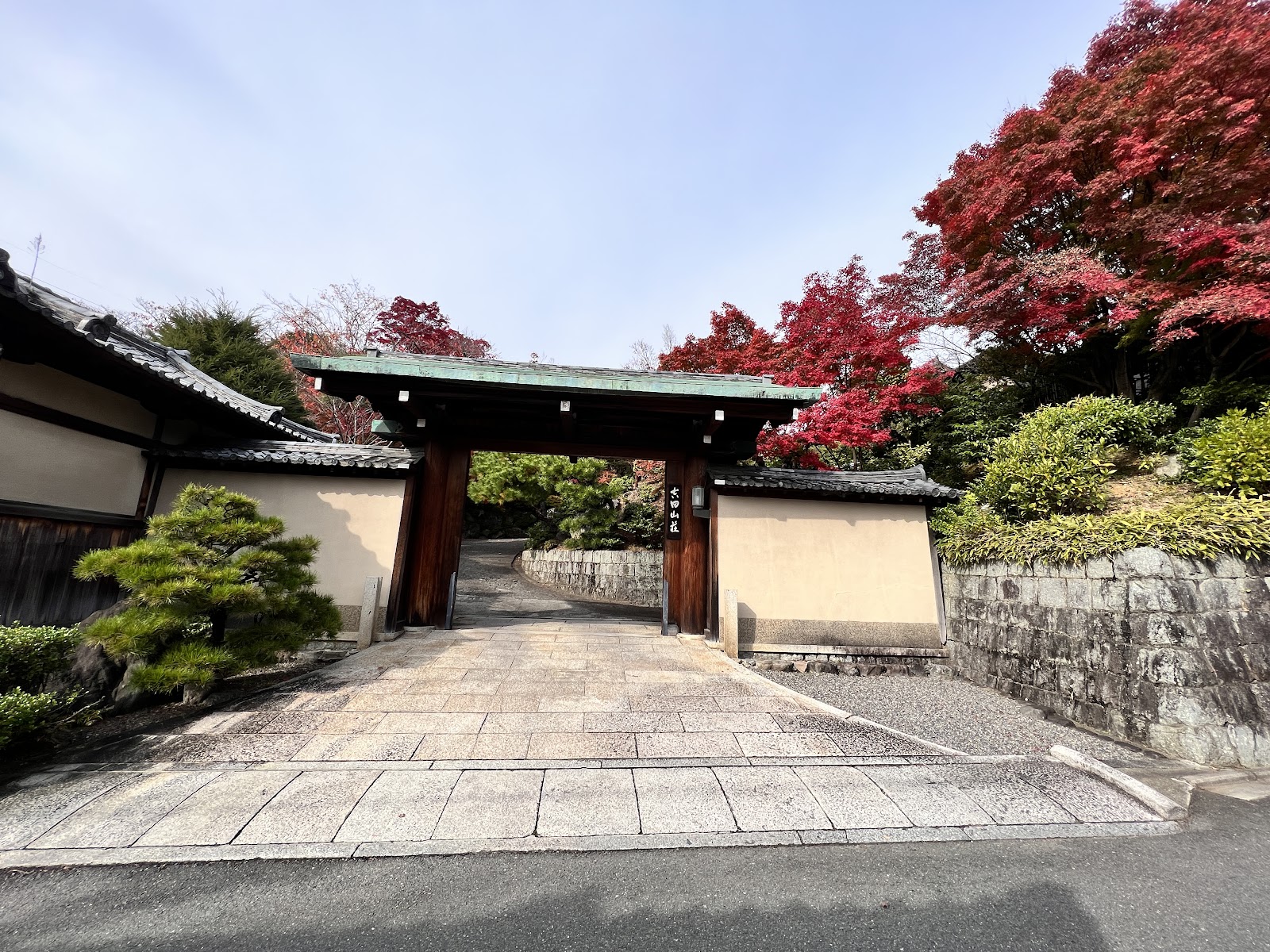
"A tiny former imperial villa turned ryokan, rich in history and cuisine, but small, hilltop and quieter than downtown Kyoto."
9.3Room & Design
9.2Service
8.9Location
Why this rank: Yoshida Sanso earns its fourth-place ranking on heritage and intimacy rather than size. Built in 1932 as the Kyoto villa of Prince Higashi-Fushimi, it became a ryokan in 1948 and remains a small ryori-ryokan, a restaurant inn, with only around 5 to 8 individually styled rooms. The main building, front gate and garage are nationally listed Tangible Cultural Properties, so a stay here means sleeping inside protected architecture rather than a modern recreation. It sits on wooded Mt. Yoshida in Sakyo-ku, close to Ginkaku-ji and the Philosopher's Path. Dining is central: the kitchen serves on-site kaiseki, and Cafe Shinkokan, set in the former garage, pours tea and Japanese sweets with garden views. The property appears in the MICHELIN Guide as a place to stay, though no Michelin star is verified for the cuisine. Main-house rooms with breakfast start from about 32,000 yen, while the sukiya-style HANARE suite runs from roughly 180,000 yen for two, so it spans a wide price range across a very small number of distinctive rooms.
Best for: Best for history-minded couples who want to sleep inside a listed former imperial villa near Ginkaku-ji, with kaiseki and a garden cafe.
#5 in Kyoto
Gion, Higashiyama-ku, near Yasaka Shrine · Design ryokan · SLH · from from US$550

"A polished, design-forward ryokan in the heart of Gion, strong on style and location but without a natural onsen."
9.2Room & Design
9.1Service
9.1Location
Why this rank: SOWAKA earns its place among Kyoto's best ryokan by combining real provenance with a genuinely contemporary sense of design. The main building is a restored sukiya-style wooden house from around the 1920s that once ran as a ryotei, and a modern annex extends it, giving 23 individually designed rooms rather than one repeated template. That pairing lets guests choose between traditional tatami spaces and cleaner modern rooms, some with semi-outdoor baths, while keeping a consistent look throughout. The setting is a further draw, since the property sits in the heart of Gion near Yasaka Shrine and Kodai-ji, within walking distance of eastern Kyoto's temples and lanes. Recognition from Small Luxury Hotels of the World and Forbes Travel Guide signals international boutique standards, and the on-site restaurant Gion Loka makes dinner easy in a district where tables are scarce. The honest limits are clear, namely no natural onsen and premium pricing in a busy area. For style and location, it ranks highly. Confirm current rooms and rates at booking.
Best for: Best for design-minded travellers who want a stylish Gion base within walking distance of Yasaka Shrine, and who do not need a natural hot-spring onsen.
#6 in Kyoto
Southern Higashiyama, near the Kamo River · Ryokan · Est. 1831 · from from US$377
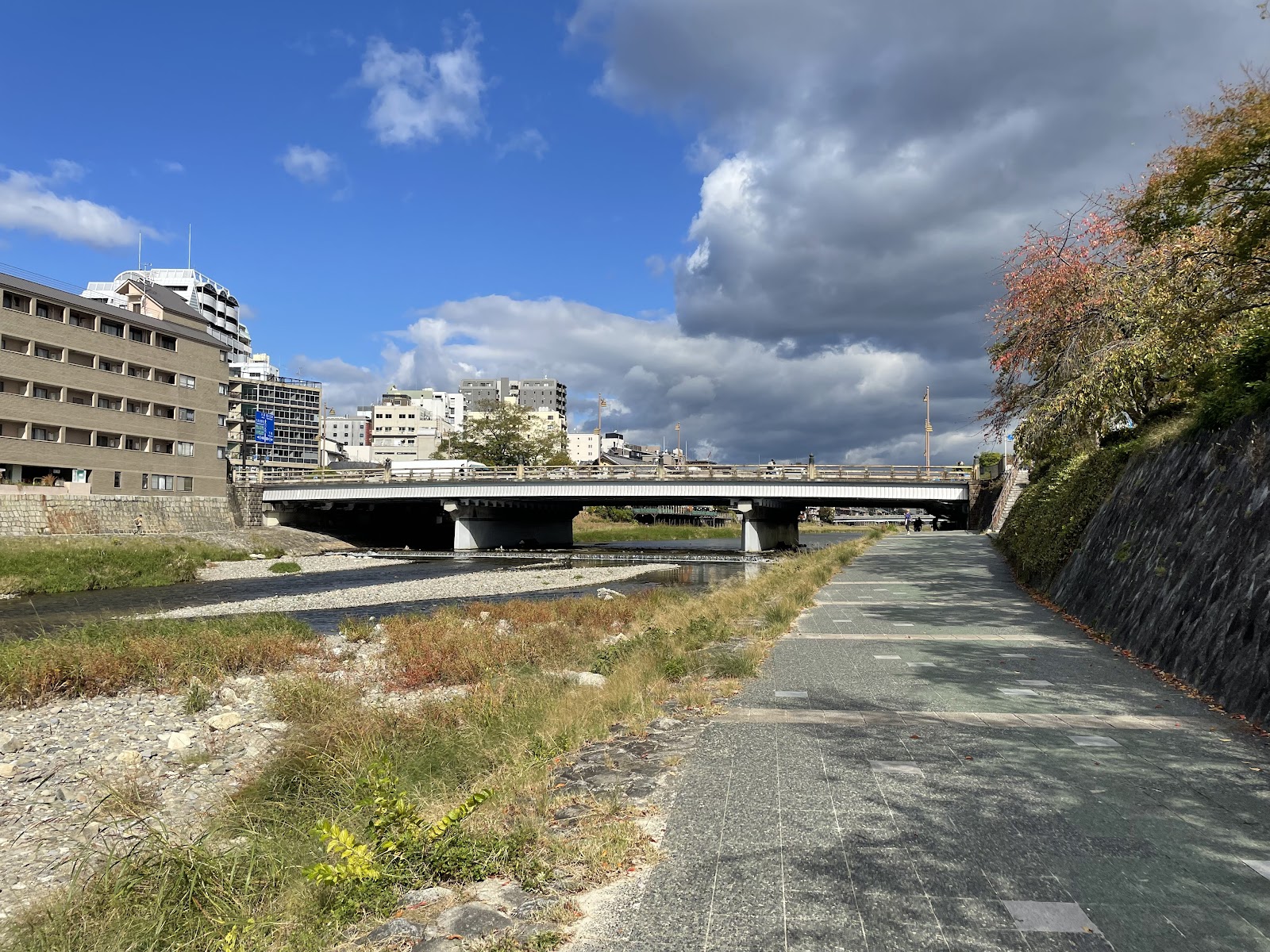
"A characterful ryokan founded in 1831, rich in Taisho-era detail and kaiseki dining, though meal inclusion varies by plan."
9.0Room & Design
9.1Service
9.1Location
Why this rank: Seikoro Ryokan earns its ranking through sheer heritage combined with a distinctive decorative character. Founded in 1831, it carries nearly 200 years of history as a working Kyoto inn, and that longevity shows in the antique furnishings and the ornate Taisho-era, near-art-nouveau styling of its common areas, which sets it apart from the austere wabi-sabi look many ryokan favour. The property has around 20 traditional tatami rooms, several fitted with wooden bathtubs and garden views, plus a public bath with wooden tubs for guests who want a shared soak. Cuisine is a central part of the experience, with a monthly-changing Kyoto kaiseki dinner and a Japanese breakfast prepared for staying guests, though the meals are served in-house rather than at a separate public restaurant. The location is a further strength, in southern Higashiyama near the Kamo River and Gojo, about two minutes from Keihan Kiyomizu-Gojo Station. The main thing to check is which plan you book, since meal inclusion varies. Confirm rooms, meals and rates at booking.
Best for: Best for travellers who want a nearly 200-year-old historic ryokan with kaiseki dining and a distinctive Taisho-era interior near the Kamo River.
#7 in Kyoto
Nanzenji villa quarter, Sakyo-ku · Ryokan · Est. 1915 · from ¥7,875 room-only
"A storied 1915 ryokan with a master-designed garden and unbeatable Higashiyama location, though room standards vary across its two buildings."
8.9Room & Design
9.0Service
9.1Location
Why this rank: Yachiyo earns its place through location and lineage rather than gloss. It has operated since 1915 in the Nanzenji villa quarter of Higashiyama, a quiet temple district many visitors rate as the most atmospheric corner of eastern Kyoto. The garden is the headline: it was designed by Jihei Ogawa, known as Ueji, a respected landscape master, and it is lit each night. Rooms in the 1890 Honkan look directly onto that garden, while the 1994 Bekkan annex adds more modern comfort. Seven suites include private onsen or wooden bathtubs, so guests can soak without visiting a public bath. The on-site restaurant serves kaiseki, sukiyaki and shabu-shabu with garden views, and entry pricing is unusually accessible for a ryokan of this pedigree, with rooms from about 7,875 yen room-only and kaiseki dinner plans from about 12,650 yen per person. Standards vary by building and room age, but for proximity to Nanzen-ji, Eikando and the Philosopher's Path, few classic ryokan match it. Confirm room type and meal plan at booking.
Best for: Best for travellers who want a heritage garden ryokan within walking distance of Nanzen-ji and the Philosopher's Path.
#8 in Kyoto
Arashiyama, Ukyo-ku, by the Oi River · Onsen ryokan · Renovated 2024 · from from US$710
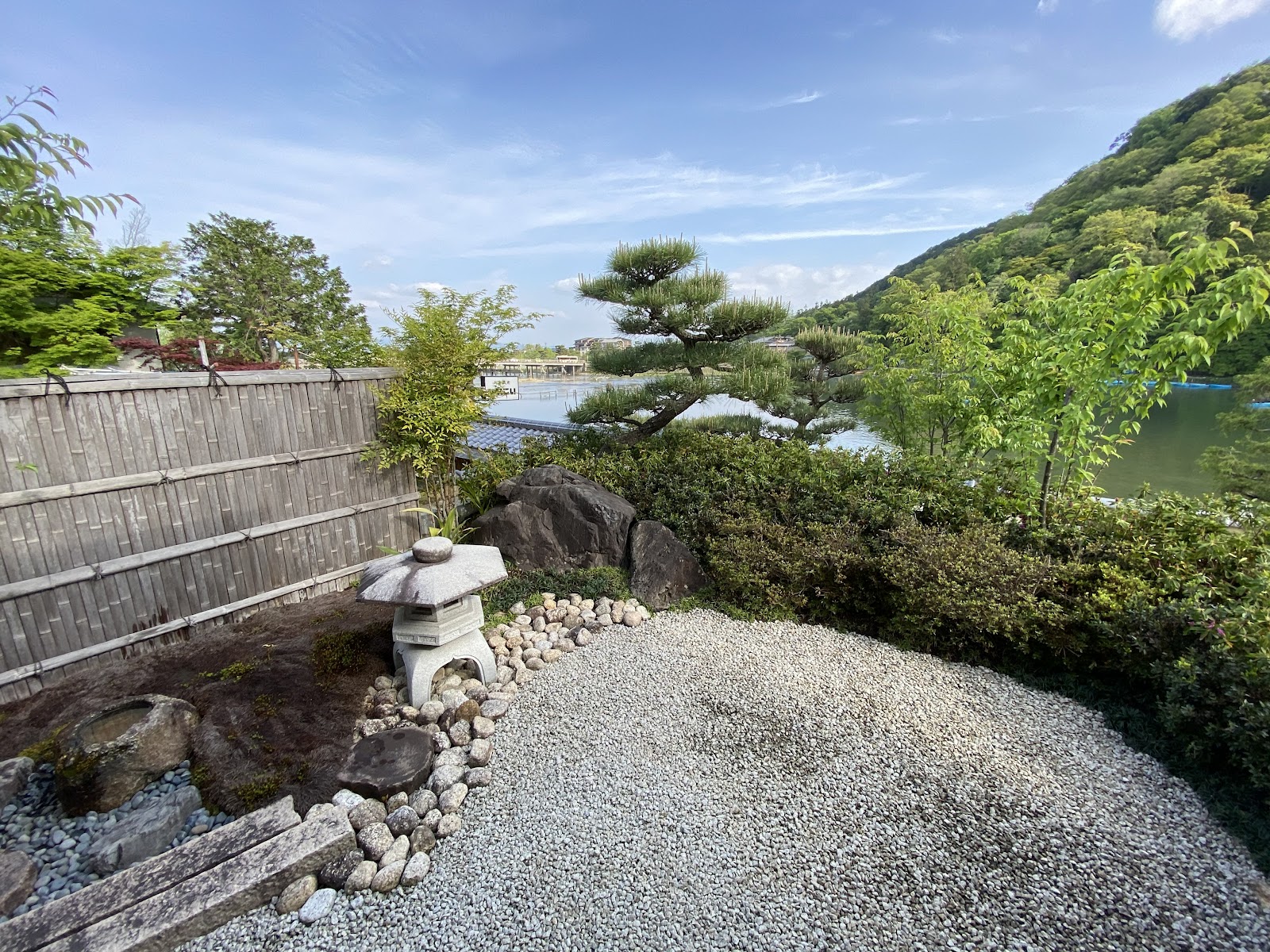
"A 2024-renovated onsen ryokan by the Oi River with in-room hinoki baths and private kaiseki, but few rooms and steep pricing."
9.0Room & Design
8.9Service
8.9Location
Why this rank: Rangetsu earns its ranking on freshness and setting. The ryokan reopened in 2024 after a full renovation, so its rooms and baths are among the newest in Arashiyama. It sits by the Oi River, about five minutes' walk from Arashiyama Station, the Bamboo Grove and Tenryu-ji, which places you at the centre of the area's headline sights. The draw is a combination of onsen and kaiseki. Baths are fed by onsen water drawn from deep beneath Arashiyama, offered both in a communal bath and in in-room baths, and the renovated suites run over 59 square metres with semi-open-air or hinoki baths. Dining is private Kyoto kaiseki served in your room for both dinner and breakfast, with no separate public restaurant, which suits guests who want an intimate two-meal stay. The trade-offs are scale and price: with only around 11 to 12 rooms it books out fast, and the two-meal rates are steep. Confirm room type, meal plan and any extra onsen fees at booking.
Best for: Best for couples wanting a renovated onsen ryokan in Arashiyama with in-room hinoki baths and private kaiseki dining.
#9 in Kyoto
Nene-no-Michi, Higashiyama-ku, by Kodai-ji · Machiya ryokan · Est. 1905 · from ¥24,200 pp
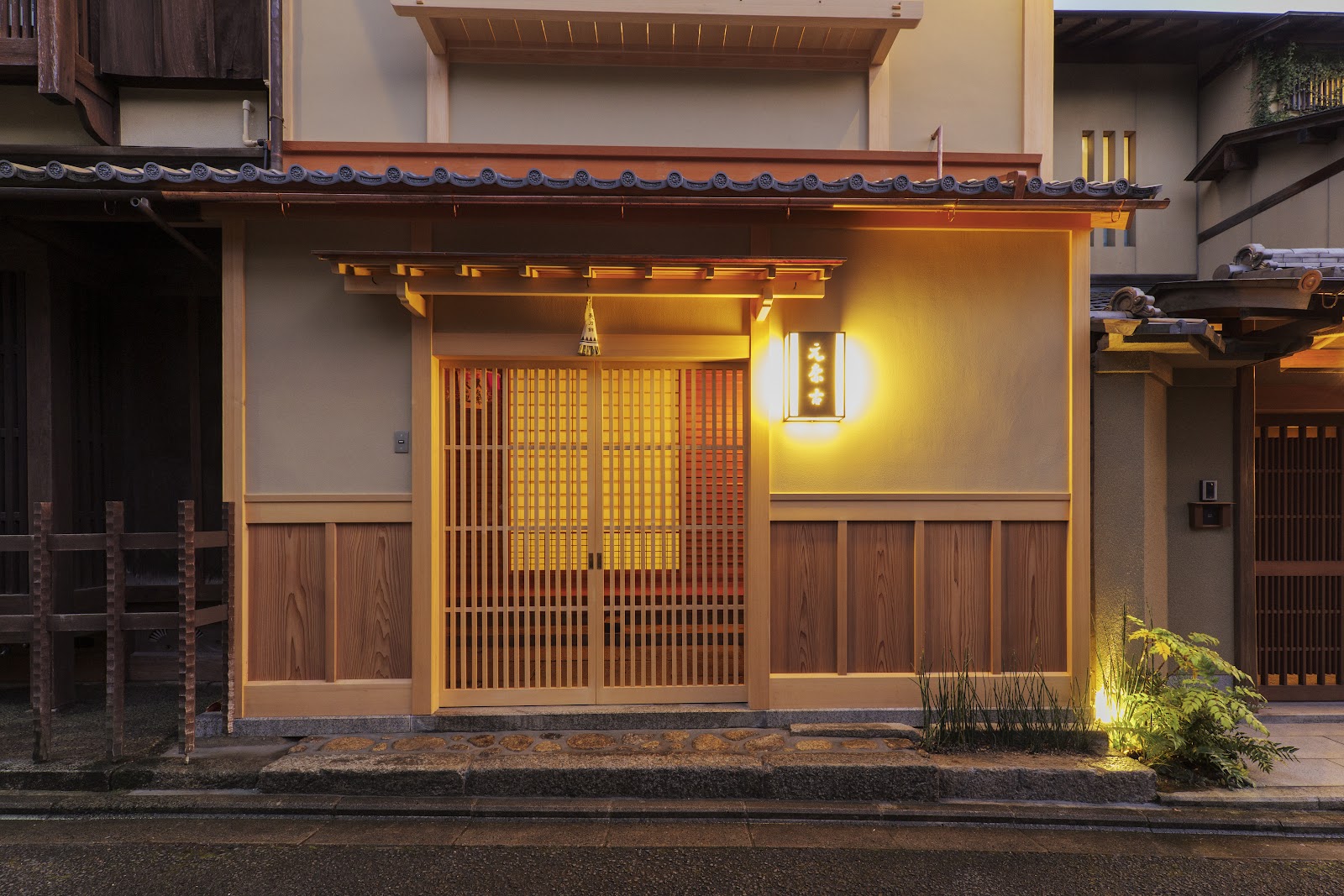
"An authentic, mid-priced machiya ryokan steps from Kodai-ji, best for travellers who value in-room kaiseki and location over private onsen bathing."
8.6Room & Design
8.9Service
9.0Location
Why this rank: Ryokan Motonago earns its place for delivering an authentic machiya ryokan stay in the heart of Higashiyama at a mid-tier price. Built in 1905, this traditional townhouse holds just 11 tatami rooms arranged around a small interior garden, so the mood stays quiet and personal rather than hotel-like. Rates from about 24,200 yen per person, around US$160, include an in-room kaiseki dinner and a Kyoto-style breakfast built around yudofu, simmered tofu, which is strong value for a Gion-adjacent address. The setting is the draw. You sit on Nene-no-Michi, the stone-paved lane beside Kodai-ji, roughly two minutes from the temple and about ten minutes from Kiyomizu-dera. It suits travellers who want ryokan ritual, futon bedding and in-room dining over spa facilities. It is not for guests who need a private onsen or an ensuite in every room, since only some rooms have a private bath and others use the shared indoor public bath. For a first genuine ryokan night near Gion, it is a considered, honest choice.
Best for: Best for a first genuine ryokan night near Gion, with in-room kaiseki and a quiet Higashiyama lane setting.
#10 in Kyoto
Nakagyo-ku, central Kyoto, near Nijo · Ryokan · Since 1953 · from from ¥20,000
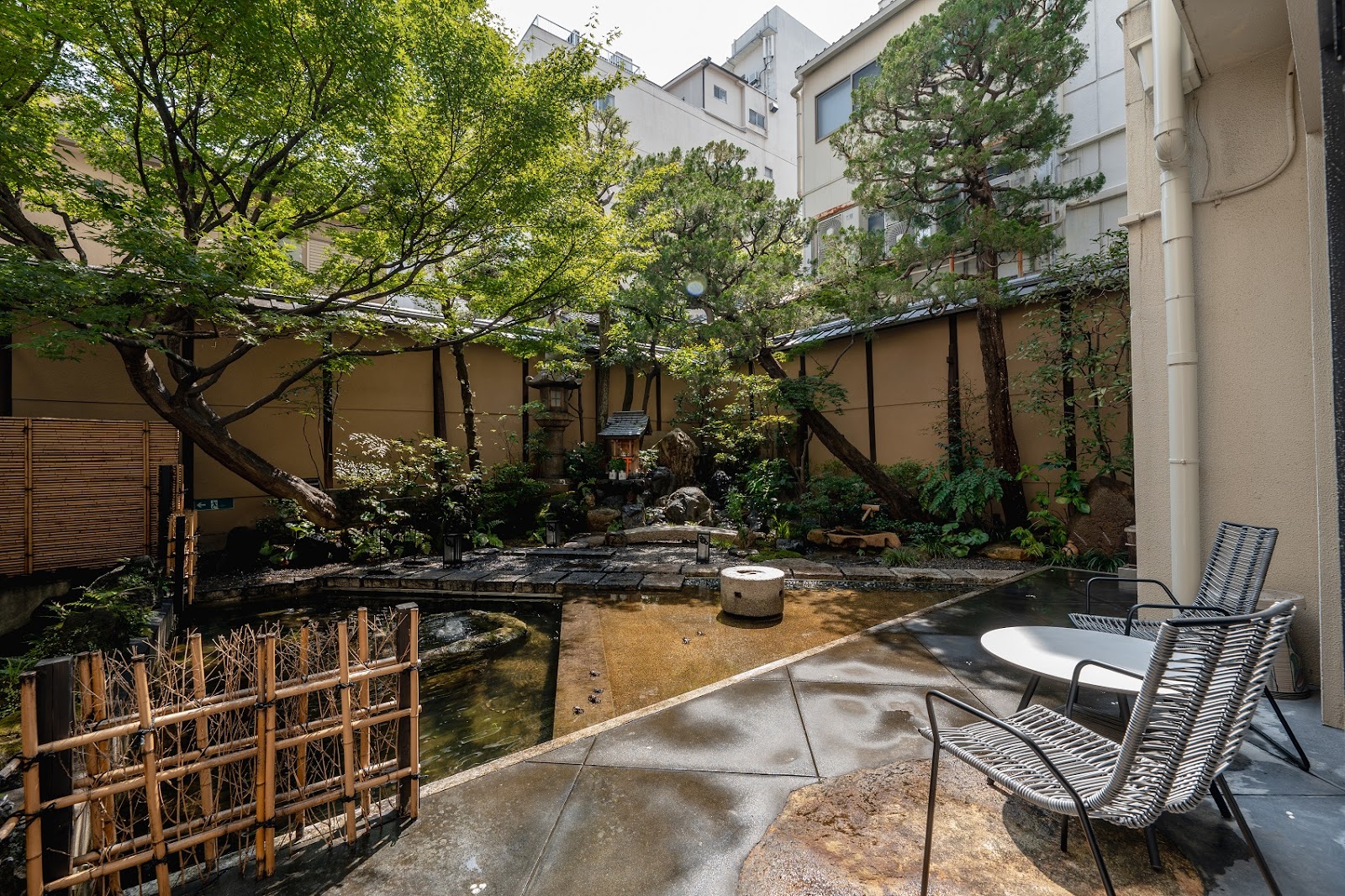
"A family-run, modernised central ryokan near Nijo, strong on comfort and cultural workshops, though it serves no in-house dinner."
8.5Room & Design
8.7Service
8.9Location
Why this rank: Nishiyama Ryokan earns its spot as a comfortable, central choice for travellers who want a ryokan feel without leaving the city core. Family-run since 1953, it sits at 433 Yamamoto-cho in Nakagyo-ku, near Nijo Castle and within walking distance of the Kamo River and the Nishiki area, so shopping, dining and transport are close. The roughly 23 Japanese-style rooms come with air-conditioning and modern facilities, and there is a Japanese communal bath and an interior garden, plus a flagship Nishiyama Suite of over 70 square metres. What sets it apart is the programme of on-site cultural experiences: tea ceremony, koto lessons, calligraphy, origami and Yuzen-dyeing workshops, which turn a night's stay into something more hands-on. Rates run from roughly 20,000 to 55,000 yen depending on room and season, with online deals from about US$149, so it spans mid-range budgets. It is a modernised, central ryokan rather than a historic or scenic one, and it does not serve a full in-house dinner. For comfort, culture and location, it is a sensible base.
Best for: Best for a comfortable, central Kyoto base with air-conditioned rooms and hands-on cultural workshops, within walking distance of Nijo and Nishiki.