#6 in Best Ryokan in Kyoto 2026 · Ryokan · Est. 1831
Seikoro Ryokan
Southern Higashiyama, near the Kamo River · from from US$377
Southern Higashiyama, near the Kamo River · from from US$377
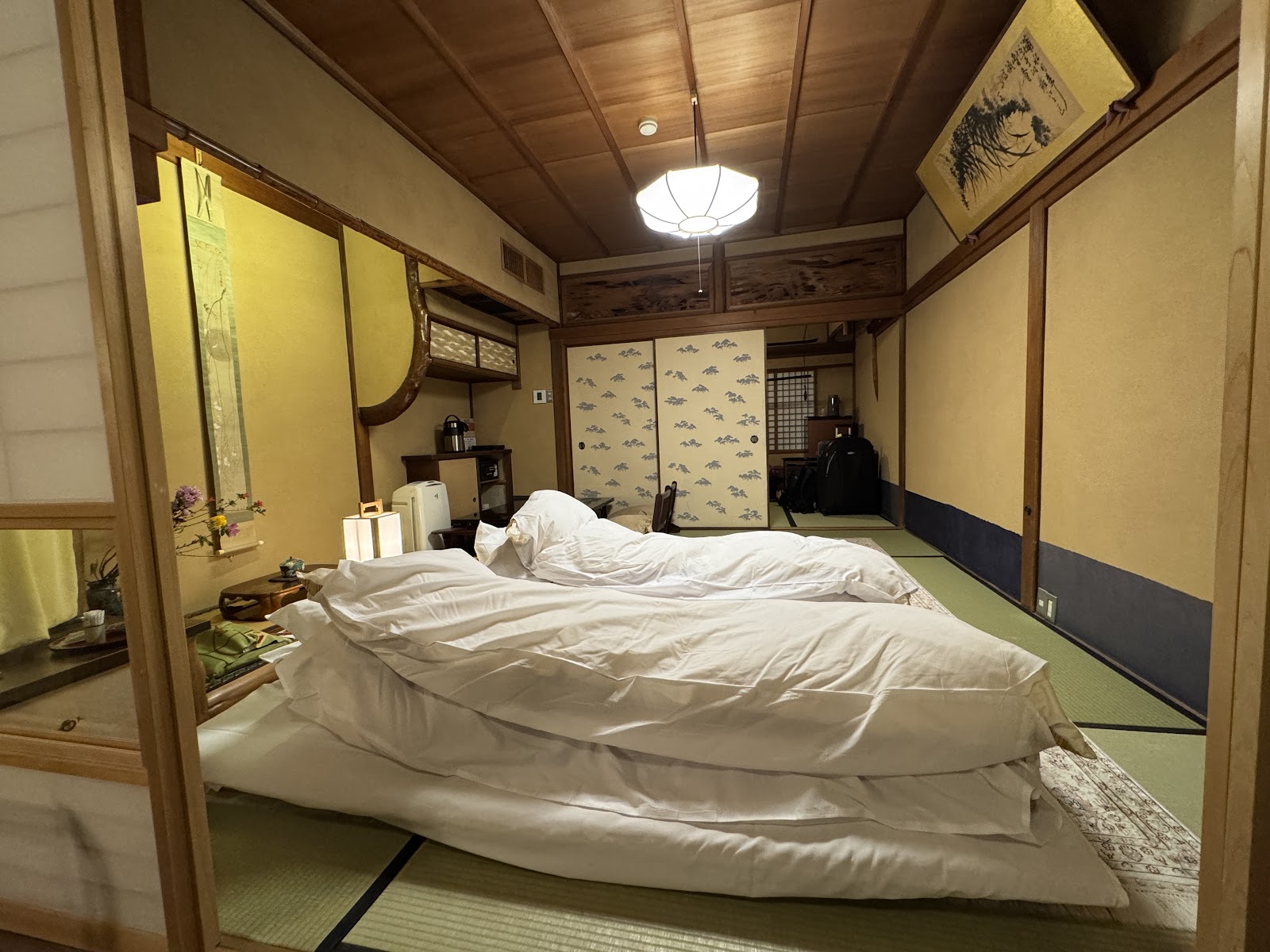
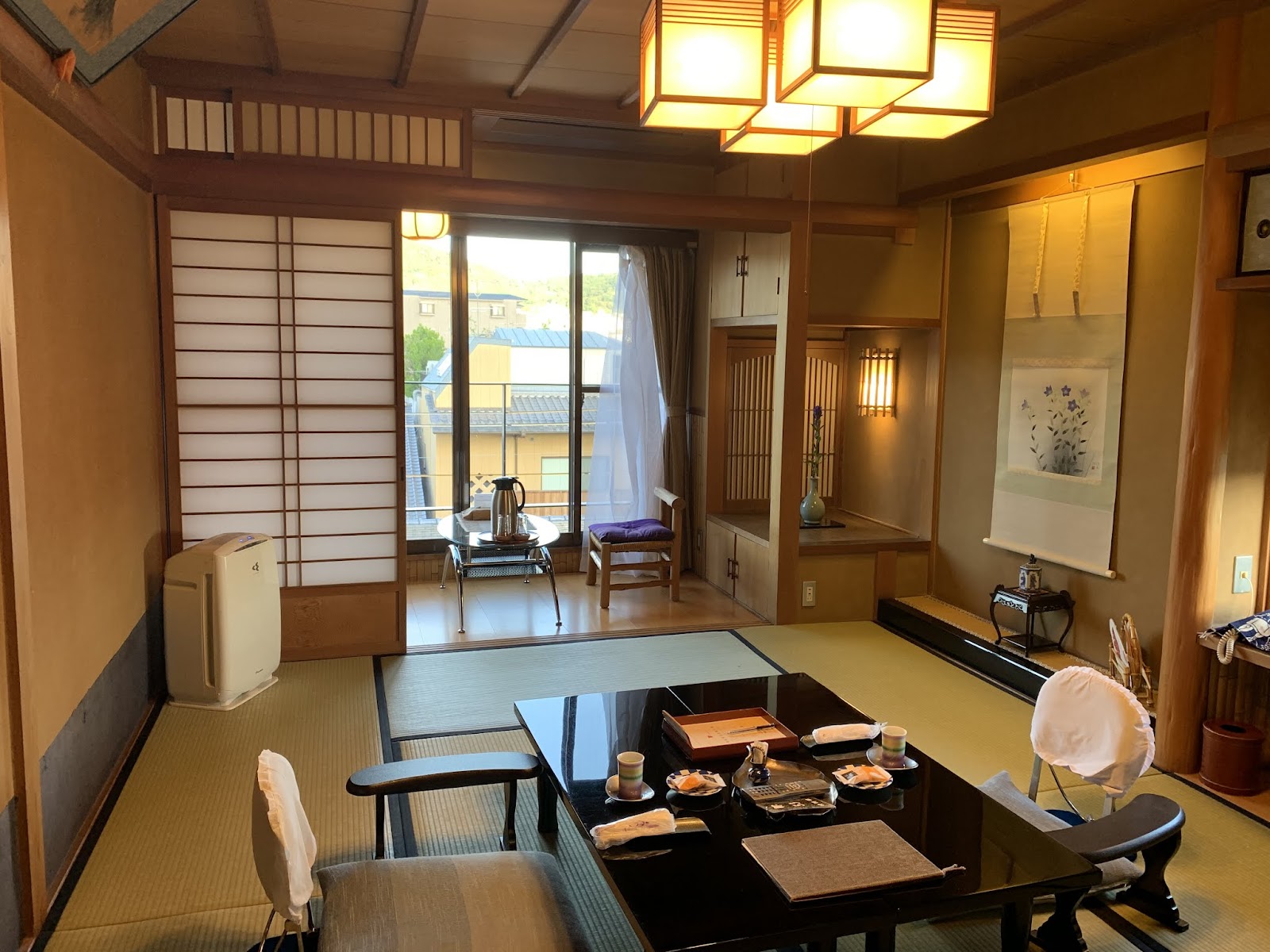
Seikoro Ryokan, founded in 1831, is a historic ryokan in southern Higashiyama near the Kamo River and Gojo. It has around 20 tatami rooms, several with wooden bathtubs and garden views, plus a public bath with wooden tubs. The style is ornate Taisho-era rather than minimalist, and a monthly-changing Kyoto kaiseki dinner is offered, though meal inclusion varies by plan.
"A characterful ryokan founded in 1831, rich in Taisho-era detail and kaiseki dining, though meal inclusion varies by plan."
Aggregate 9.1/10 on our editorial scale (Room & Design, Service, Location). Independently scored; see our methodology. This is our opinion, not an aggregate of user reviews.
Affiliate disclosure: we may earn a commission from bookings at no cost to you. We never accept payment for placement. Facts were web-verified against official sources in July 2026; ryokan rates and meal plans change, so confirm at booking.
What makes Seikoro special is the combination of deep history and an unusually decorative interior style. The ryokan was established in 1831, which gives it close to 200 years of continuous history as a Kyoto inn, and few properties in the city can claim that kind of lineage. Rather than the pared-back wabi-sabi minimalism common in modern ryokan, Seikoro leans into an ornate Taisho-era look, described as close to art nouveau in its common areas, with antique furnishings that give the interiors a layered, collected feel. That aesthetic is the property's signature and its main point of difference. The scale is intimate, with around 20 traditional tatami rooms, several of which have wooden bathtubs and garden views, so the experience stays personal rather than hotel-like. Dining is built into the stay through a monthly-changing Kyoto kaiseki dinner and a Japanese breakfast for guests, which keeps the menu tied to the seasons. There is no verified Michelin listing, so the appeal rests on heritage, atmosphere and craft rather than stars. Confirm room type, meal plan and current rates at booking.
Book one of the tatami rooms with a wooden bathtub and a garden view if you want the fullest expression of what Seikoro offers, because these rooms pair the traditional Japanese layout with a private soak and a calm outlook. The ryokan has around 20 rooms, and they vary in size, aspect and features, so the specific room matters. If a private wooden bath is important to you, confirm that your chosen room includes one, since not every room has the same fittings. Solo travellers and couples tend to suit the smaller traditional rooms, while those wanting more space and a garden view should ask for a larger category. Because the property is antique-furnished and styled in an ornate period manner, expect character and individuality rather than uniform modern rooms. Meal inclusion is tied to the room plan you select, so a room booked with the kaiseki dinner and breakfast will differ in price and value from a room-only plan. Confirm bath type, view, bedding and which meals are included at booking.
Dining at Seikoro is built around a monthly-changing Kyoto kaiseki dinner and a Japanese breakfast prepared for staying guests. The kaiseki menu rotates each month, so it follows the seasons closely, and the meals are served in-house for guests rather than in a separate public restaurant, which keeps the experience private and tied to your stay. The most important practical point is that meal inclusion varies by plan. Some room plans include both the kaiseki dinner and breakfast, while others do not, so the same room can be booked with or without meals at different prices. This makes it essential to check exactly what your rate covers before you commit, because the meals are a significant part of both the cost and the appeal. Seikoro has no verified Michelin listing, so treat the kaiseki as a traditional in-house ryokan dinner rather than a starred tasting menu. If you have dietary requirements or want to be sure of dinner, arrange it in advance. Confirm the menu, meal inclusion and any dietary options at booking.
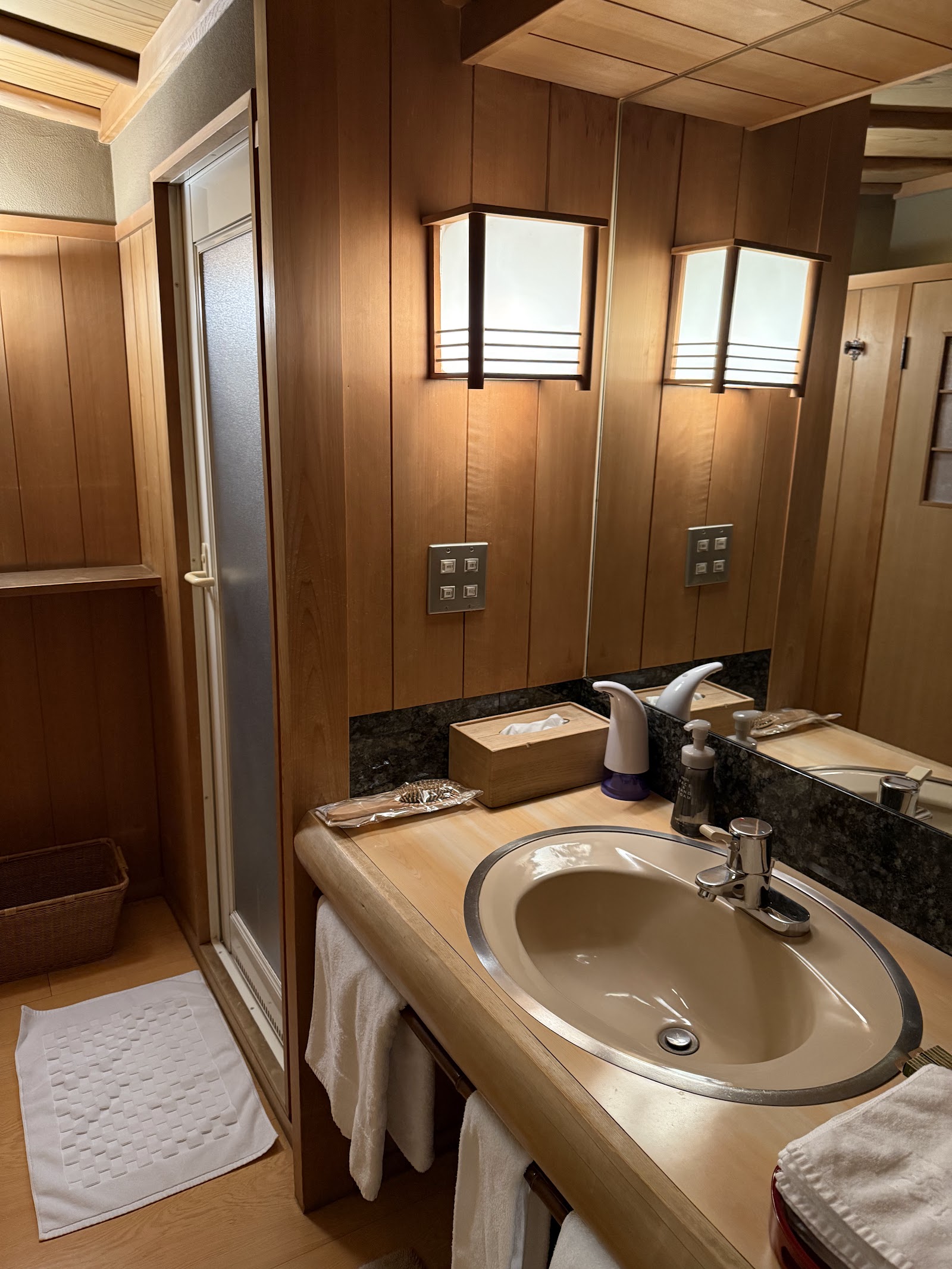
Bathing at Seikoro comes in two forms. Several of the tatami rooms have their own wooden bathtubs, which let you soak privately within your room, and there is also a public bath fitted with wooden tubs for guests who prefer a shared bathhouse soak. The wooden tubs are part of the property's traditional character and fit its heritage feel. What Seikoro does not advertise is a natural hot-spring onsen, so treat the baths as traditional wooden tubs with heated bathwater rather than mineral spring water. If a genuine thermal onsen is essential to your trip, this is worth clarifying before you book. Because not every room includes a private wooden bath, do not assume one comes as standard, and check the fittings for your specific room. For guests who value the ritual of a wooden Japanese bath, whether private or public, Seikoro delivers that in an authentic historic setting. Confirm the exact bath arrangement for your room, and public bath hours, at booking.
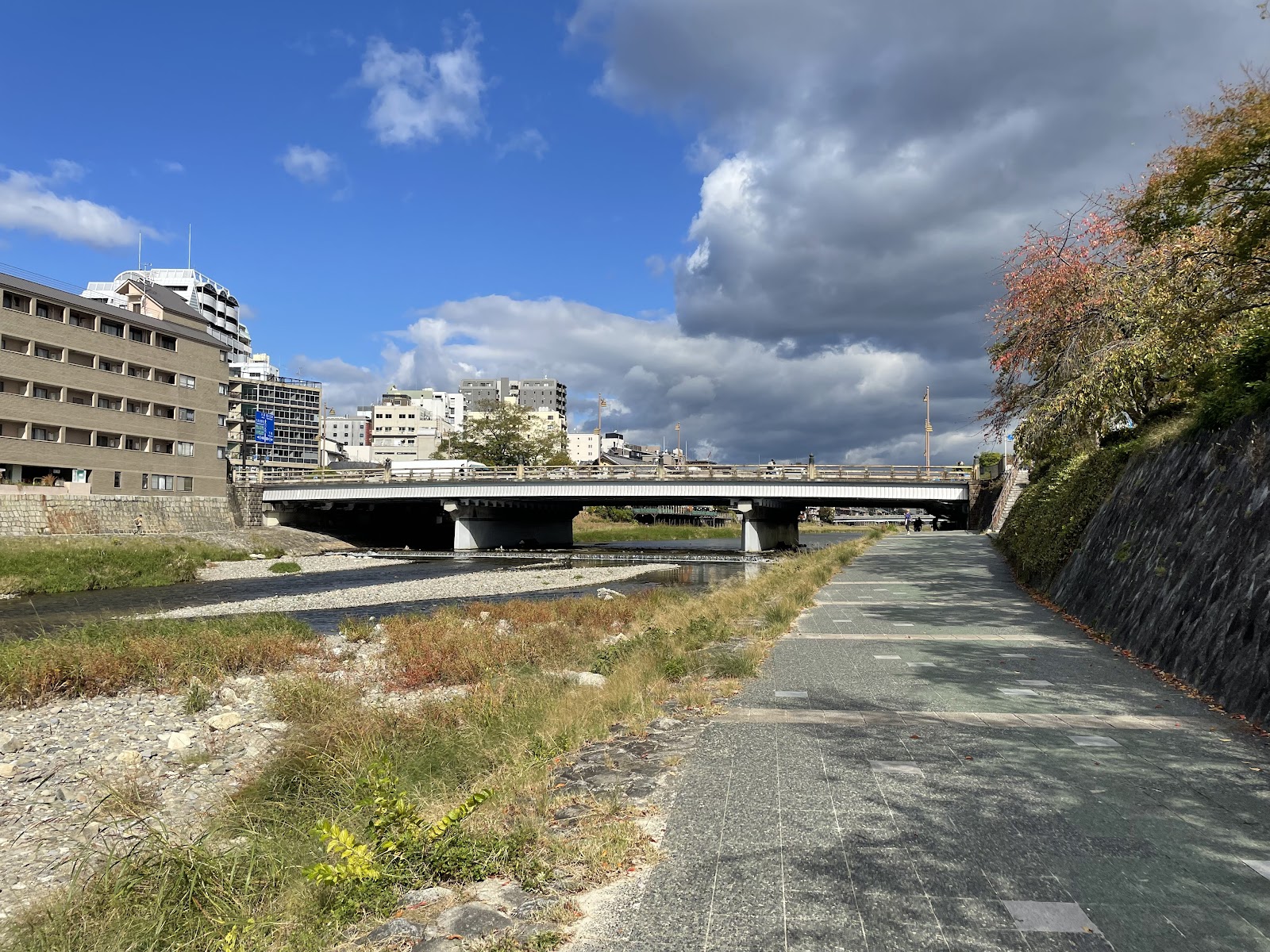
Seikoro sits in southern Higashiyama, at 467 Nishitachibana-cho on Tonyamachi-dori near Gojo, close to the Kamo River. It is about two minutes from Keihan Kiyomizu-Gojo Station, which makes arriving and getting around straightforward by rail. The riverside setting is calmer than the busiest tourist lanes, while still keeping you within reach of eastern Kyoto's sights. Kiyomizu-dera and the Higashiyama temple district are a manageable distance, and the Kamo River offers pleasant walks close to the door. From Kyoto Station, the ryokan is a short taxi ride, and the nearby Keihan line connects you to Gion and Osaka with ease. This southern Higashiyama position gives a good balance between access and relative quiet, away from the densest crowds of central Gion but still central for sightseeing. As with any traditional inn, confirm check-in timing and luggage arrangements in advance, especially if you arrive before the standard check-in hour. Confirm directions and access details at booking.
Guests consistently highlight Seikoro's historic atmosphere, its ornate period interiors and its traditional hospitality, which are the qualities that draw most visitors to a nearly 200-year-old inn. The antique furnishings and the Taisho-era styling tend to earn particular attention, along with the kaiseki dinner when it is included in the plan. The convenient location near Keihan Kiyomizu-Gojo Station and the Kamo River is also frequently appreciated. The most common practical caveat reflects the property's own structure, namely that meal inclusion varies by plan, so some guests are surprised to learn their rate did not include the kaiseki meals they expected. A few visitors prefer a more minimalist look and find the ornate period aesthetic less to their taste. Sentiment varies between room categories and over time, so read recent reviews for the specific room and plan you are considering. Confirm current guest feedback and what your rate includes at booking.
Skip Seikoro if you want a minimalist, pared-back ryokan, because its signature is an ornate Taisho-era, near-art-nouveau look with antique furnishings, which is characterful but not austere. Be careful, too, about meal expectations, since inclusion varies by plan, and booking a room-only rate by mistake can leave you without the kaiseki dinner and breakfast that make the stay. Read the plan details closely before you commit. If a natural hot-spring onsen is essential, note that the baths here are traditional wooden tubs with heated bathwater rather than mineral spring water, so a dedicated onsen ryokan would suit you better. Diners chasing a Michelin-starred meal should also adjust their expectations, as there is no verified Michelin listing, and the kaiseki is a traditional in-house dinner rather than a starred menu. Prices vary widely by plan and season, with indicative rates from about US$377 to US$417 and recent averages higher, so value depends on the plan you pick. For heritage lovers, these trade-offs are minor. Confirm details at booking.
Seikoro was established in 1831, which gives it close to 200 years of history as a Kyoto inn. That heritage shows in the antique furnishings and the ornate Taisho-era styling of its common areas, which sets it apart from more minimalist ryokan. It is one of the city's longer-established traditional inns. Confirm current details at booking.
It depends on your plan. Seikoro offers a monthly-changing Kyoto kaiseki dinner and a Japanese breakfast for staying guests, but some room plans include both meals and some do not. The same room can be booked with or without meals at different prices, so check exactly what your rate covers and confirm meal inclusion at booking.
Indicative rates start from about US$377 to US$417 a night, with recent averages higher, around US$530 to US$656, depending on the room, plan and season. Prices vary considerably according to whether the kaiseki meals are included. Treat these figures as a guide only, and confirm the current rate and what it covers at booking.
Seikoro does not advertise a natural hot-spring onsen. Instead it offers traditional wooden baths, with several tatami rooms featuring private wooden bathtubs and a public bath fitted with wooden tubs. These use heated bathwater rather than mineral spring water. If a genuine thermal onsen matters to you, clarify the bath arrangements and confirm at booking.
Seikoro is in southern Higashiyama, at 467 Nishitachibana-cho near Gojo and the Kamo River. It is about two minutes from Keihan Kiyomizu-Gojo Station, so rail access is easy, and it is a short taxi ride from Kyoto Station. Kiyomizu-dera and the Higashiyama temples are within reach. Confirm directions and check-in timing at booking.
There is no verified Michelin listing for Seikoro. Its kaiseki dinner is a traditional in-house meal prepared for staying guests and served privately rather than in a public restaurant, so treat it as authentic ryokan cuisine rather than a starred tasting menu. Confirm the current dining format and any dietary options at booking.
Off peak pricing, suite upgrades, and subscriber only offers, flagged only when the value is real.