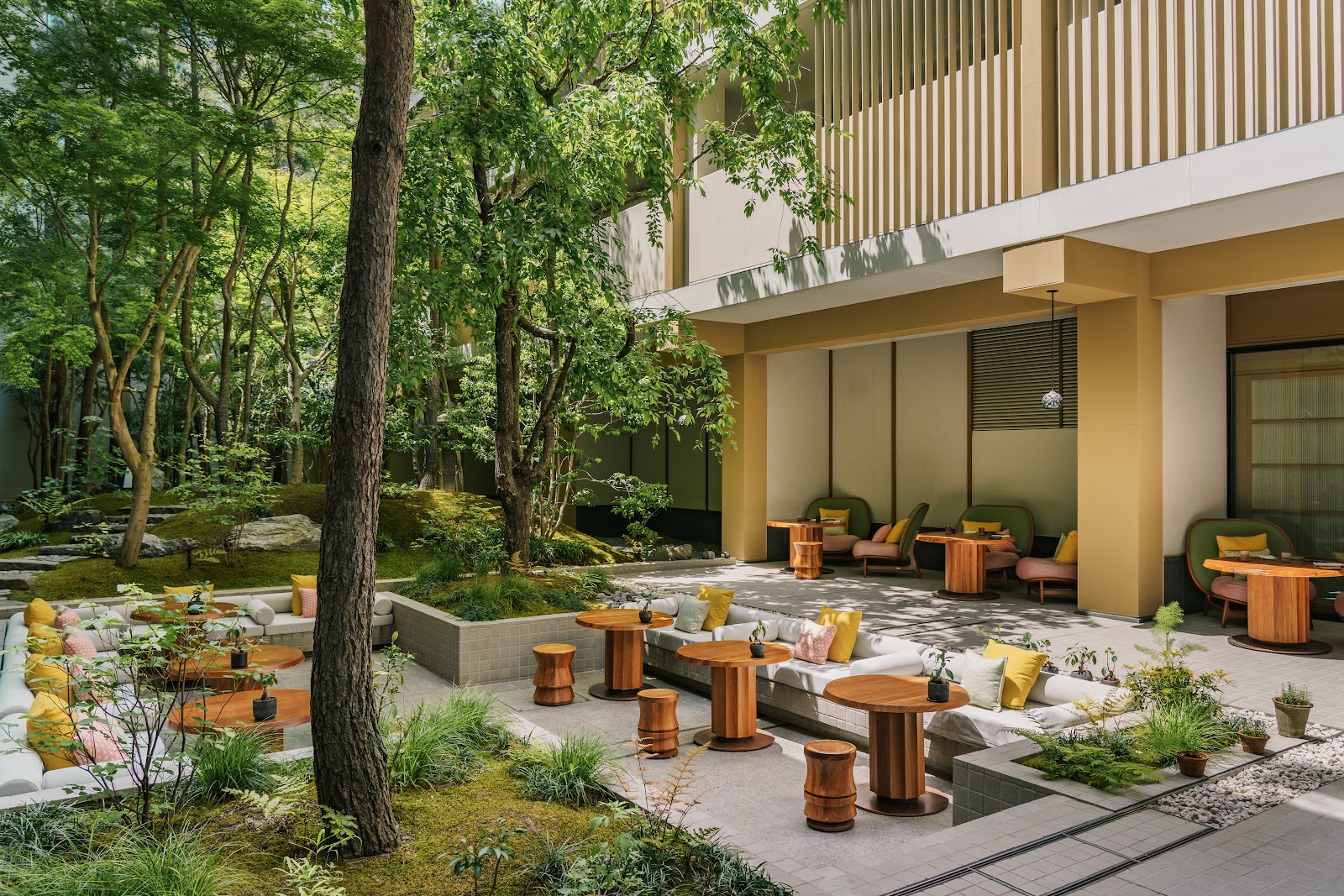
#7 in Best Luxury Hotels in Kyoto 2026 · ★★★★★
Six Senses Kyoto
Higashiyama, opposite Toyokuni Shrine · rates on request
Higashiyama, opposite Toyokuni Shrine · rates on request
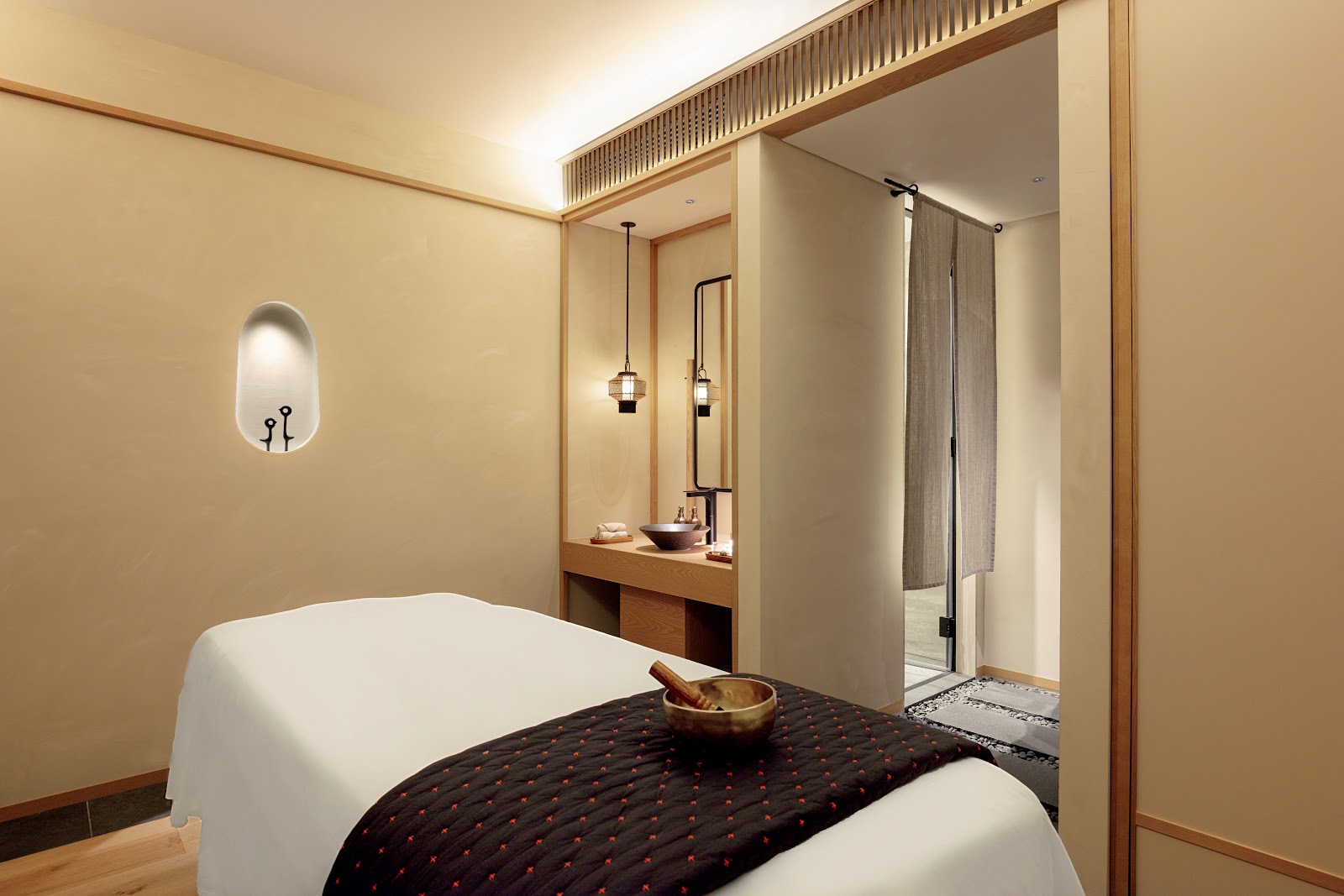
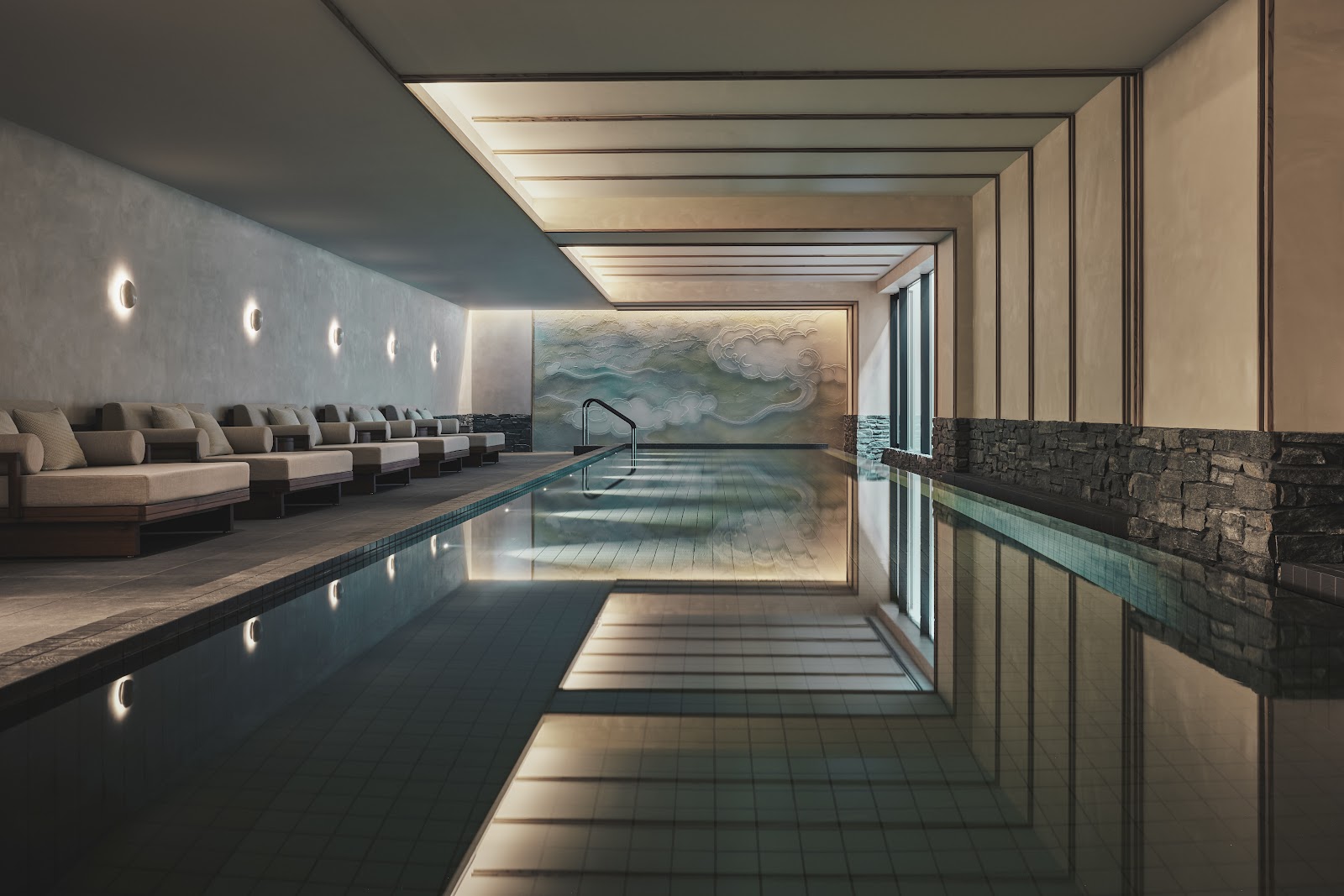
Six Senses Kyoto opened in April 2024 opposite the Toyokuni Shrine garden in Higashiyama, with 81 rooms and suites and one MICHELIN Key. It is the rare Kyoto luxury hotel with an indoor lap pool, and it adds Kyoto's only Watsu therapy pool. No restaurant here holds a MICHELIN star.
"The most wellness driven stay in Kyoto, with an indoor lap pool, a rare Watsu therapy pool and micro seasonal cooking at Sekki."
Aggregate 9.3/10 on our editorial scale (Room & Design, Service, Location). Independently scored; see our methodology. This is our opinion, not an aggregate of user reviews.
Affiliate disclosure: we may earn a commission from bookings at no cost to you. We never accept payment for placement. Hotel status, room product and Michelin ratings were verified against official sources and the current Michelin Guide in July 2026.
Six Senses Kyoto is the most systematically wellness-led hotel in this guide, and the Alchemy Bar is the clearest expression of it. Guests blend their own scrubs and remedies from ingredients rotated across Japan's 24 sekki micro-seasons, from Risshun at the beginning of spring in early February through to Daikan, greater cold, the following January. That calendar runs through the whole property, including the kitchen. The hotel opened in April 2024 as the brand's first in Japan, holds one MICHELIN Key, and takes its design cues from the Heian-era idea of miyabi and from the Tale of Genji, sitting opposite the garden of the 16th-century Toyokuni Shrine. It is also one of the few Kyoto luxury hotels with a proper indoor lap pool, and it adds a dedicated Watsu aquatic bodywork pool, reported as the only one in the city. The wellness programme extends to biomarker screening and biohacking tools, which is unusually science-led for a city that trades on tradition. No restaurant here holds a MICHELIN star.
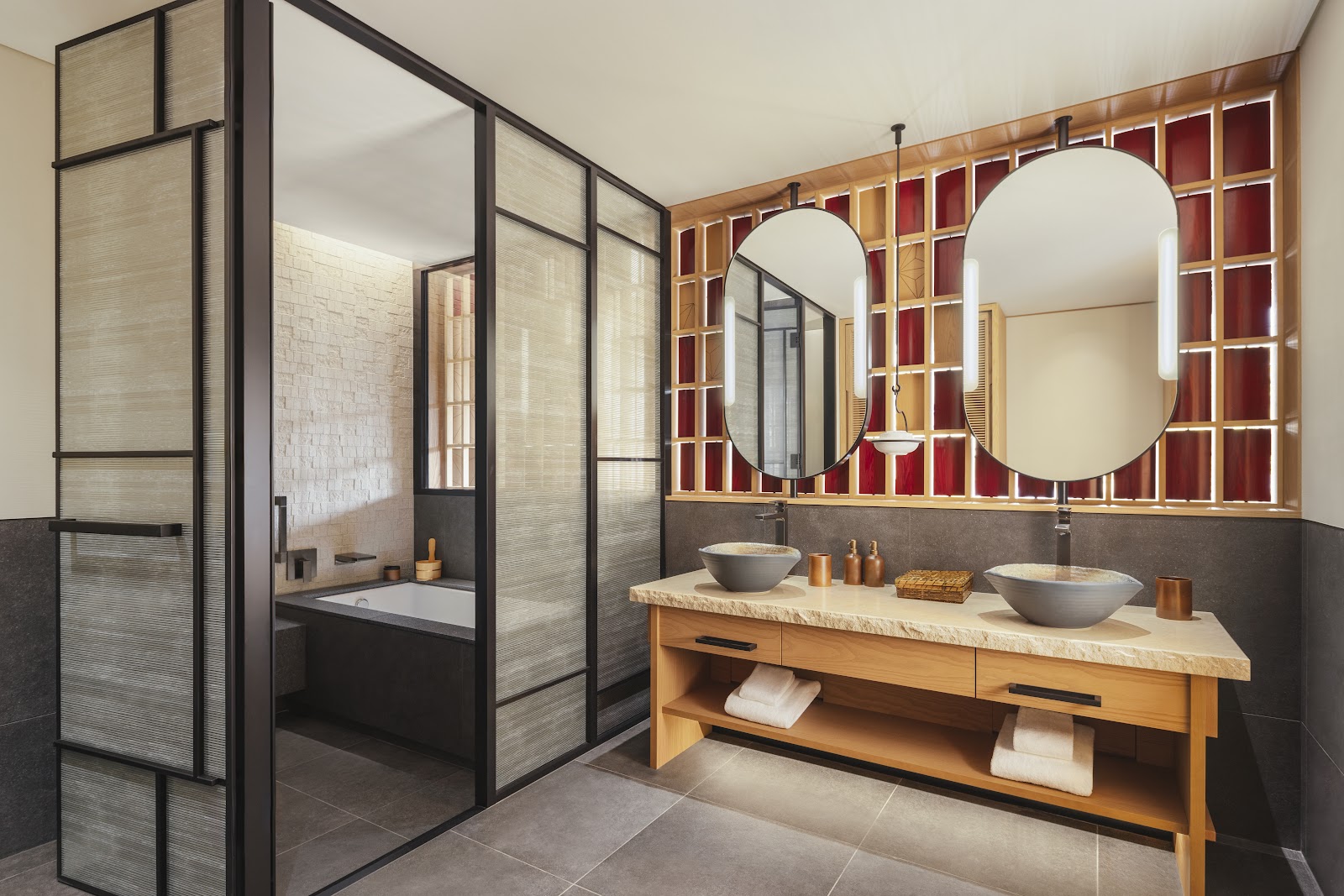
The hotel has 81 rooms and suites, with a choice of internal courtyard, city or Toyokuni Shrine garden views. The design theme is the Heian-era aesthetic of miyabi read through the Tale of Genji, which shows up as a softer, more playful register than the austere concrete-and-tatami minimalism much of luxury Kyoto favours. The garden-view rooms face the 16th-century shrine garden across the street and are the ones to ask for; courtyard rooms trade the view for quiet away from the main road the hotel sits on. Be direct about the weak point. Entry-level rooms are repeatedly described by guests as small by Six Senses standards, and value for money is the lowest-scoring category in aggregated guest reviews, so paying up a category or two is often the difference between disappointment and delight here. There are also scattered housekeeping complaints. Book the largest category your budget allows rather than the lead-in. The difference is felt immediately.
Sekki is the signature restaurant and the clearest statement of the hotel's philosophy: micro-seasonal cooking built on Japan's 24 sekki solar terms, so the menu changes roughly every fortnight as each term turns. Executive chef Hiroki Shishikura works directly with local farmers and producers under the group's Eat With Six Senses ethos. Cafe Sekki handles lighter, more casual eating through the day, Nine Tails is the cocktail bar, and Sushi Oga Higashiyama covers the sushi counter side of a Kyoto stay without leaving the building. Be clear on awards: Sekki holds no MICHELIN star, and neither does any other restaurant here. The hotel's single MICHELIN Key is a hotel award and says nothing about the kitchens. What you get instead is an unusually coherent food philosophy, tied to the same seasonal calendar that drives the spa. Guests who want a starred hotel dinner in Kyoto need The Shinmonzen, where Jean-Georges holds one star.
The spa is the reason many guests choose this hotel, and it is one of the most complete wellness offers in central Kyoto. There is an indoor lap pool, reported at roughly 19 metres, lined with cabanas under a Genji-inspired cloud mural and open 07:00 to 21:00, plus a separate Watsu pool for aquatic bodywork that is described as Kyoto's only one; the Watsu pool is for treatments, not swimming. Facilities run to four treatment suites, one double and three singles named for the senses, an onsen-inspired bath house with garden views, male and female wet areas with sauna and steam room, a Sensory Studio for meditation and yoga, the Alchemy Bar, a tea lounge, a 24-hour fitness centre and a biohacking area. Note there is no natural hot spring; the bath house is onsen-inspired. Non-residents can buy a three-hour spa pass for JPY 18,000.
Six Senses Kyoto sits in Higashiyama, opposite the garden of the 16th-century Toyokuni Shrine, effectively on the same block as Four Seasons Hotel Kyoto and an easy walk from Myoho-in temple, the Kyoto National Museum and Sanjusangen-do. Kyoto Station is roughly 10 minutes by car, which makes Shinkansen arrivals and day trips simple. Kiyomizu-dera is about 15 to 20 minutes on foot uphill. Gion is the sticking point: roughly 20 to 25 minutes on foot, or 10 minutes by taxi, so evenings in the geisha district mean a car rather than a stroll. The hotel also fronts a main road, which is not the postcard Kyoto lane some guests picture. Read the position honestly and it works well: quiet temple quarter, quick access to the station, taxis for Gion. From Kansai International Airport, allow about 90 minutes by car, or 75 minutes on the JR Haruka to Kyoto Station plus a taxi.
Guest sentiment here is strongly positive on wellness and softer on value. The spa is what people write about: the lap pool, the Watsu pool, the Alchemy Bar and the sheer breadth of facilities, which is unusual in a city where several rivals have neither a pool nor a full spa. The seasonal cooking at Sekki and the design references to the Tale of Genji also land well with guests. Three complaints recur. Entry-level rooms are repeatedly called small by Six Senses standards. Value for money is the weakest scored category in aggregated guest reviews, which for a hotel at this price point is the single most useful signal in the data. And there are scattered housekeeping complaints, consistent with a property that opened only in April 2024 and is still settling. The stay makes most sense for guests who will actually use the spa every day.
Three trade-offs recur, and one of them matters more than the others. Entry-level rooms are small by Six Senses standards, noted repeatedly by guests, so the lead-in category is not where this hotel shows best. The location is an awkward middle ground: the hotel sits on a main road in the Myohoin quarter, away from Gion and the city centre, so most sightseeing beyond Kiyomizu-dera and Sanjusangen-do means a taxi. Most importantly, value for money is the weakest scored category in aggregated guest reviews, which is a pointed verdict for a hotel priced at this level, and there are scattered housekeeping complaints alongside it. Two clarifications: there is no natural hot spring here, only an onsen-inspired bath house, and the Watsu pool is a therapy pool rather than a second swimming pool. No restaurant at the hotel holds a MICHELIN star. None of this makes it a poor hotel; it makes the room category and the spa usage the decisions that matter.
Yes. Six Senses Kyoto has an indoor lap pool, reported at roughly 19 metres, lined with cabanas under a Genji-inspired cloud mural and open 07:00 to 21:00. It also has a separate Watsu pool for aquatic bodywork treatments, which is not for swimming.
Not a natural hot spring. The spa has an onsen-inspired bath house with garden views, plus male and female wet areas, sauna and steam room. For a genuine natural hot spring in Higashiyama, Banyan Tree Higashiyama Kyoto has its own source, including open-air bathing.
No. Sekki, Cafe Sekki, Nine Tails and Sushi Oga Higashiyama hold no MICHELIN star. The hotel holds one MICHELIN Key, which is an award for the hotel rather than its kitchens. Kyoto's only verified starred hotel restaurant is Jean-Georges at The Shinmonzen.
Yes. The spa sells a three-hour day pass for non-residents at JPY 18,000. Confirm what it includes when booking, since the spa's own facility list is long: bath house, sauna and steam room, indoor pool, Watsu pool, Sensory Studio, Alchemy Bar, tea lounge, fitness centre and biohacking area.
Roughly 20 to 25 minutes on foot, or about 10 minutes by taxi. Kyoto Station is around 10 minutes by car and Kiyomizu-dera is 15 to 20 minutes on foot uphill. Plan on taxis for evenings in Gion rather than walking back late.
Off peak pricing, suite upgrades, and subscriber only offers, flagged only when the value is real.