The trends shaping luxury hotels in 2026 are different from the trends of even three years ago. Wellness has moved from amenity to identity. Food has overtaken design as the primary differentiator. And ultra-privacy has become the new luxury currency.
The five 2026 trends
1. Wellness real estate
Hotels increasingly market themselves as "wellness real estate" rather than luxury hotels. The Six Senses brand has been doing this; Aman, Como, Bulgari are following. The implication: wellness is now the default amenity, not the premium add-on.
2. Ultra-private islands
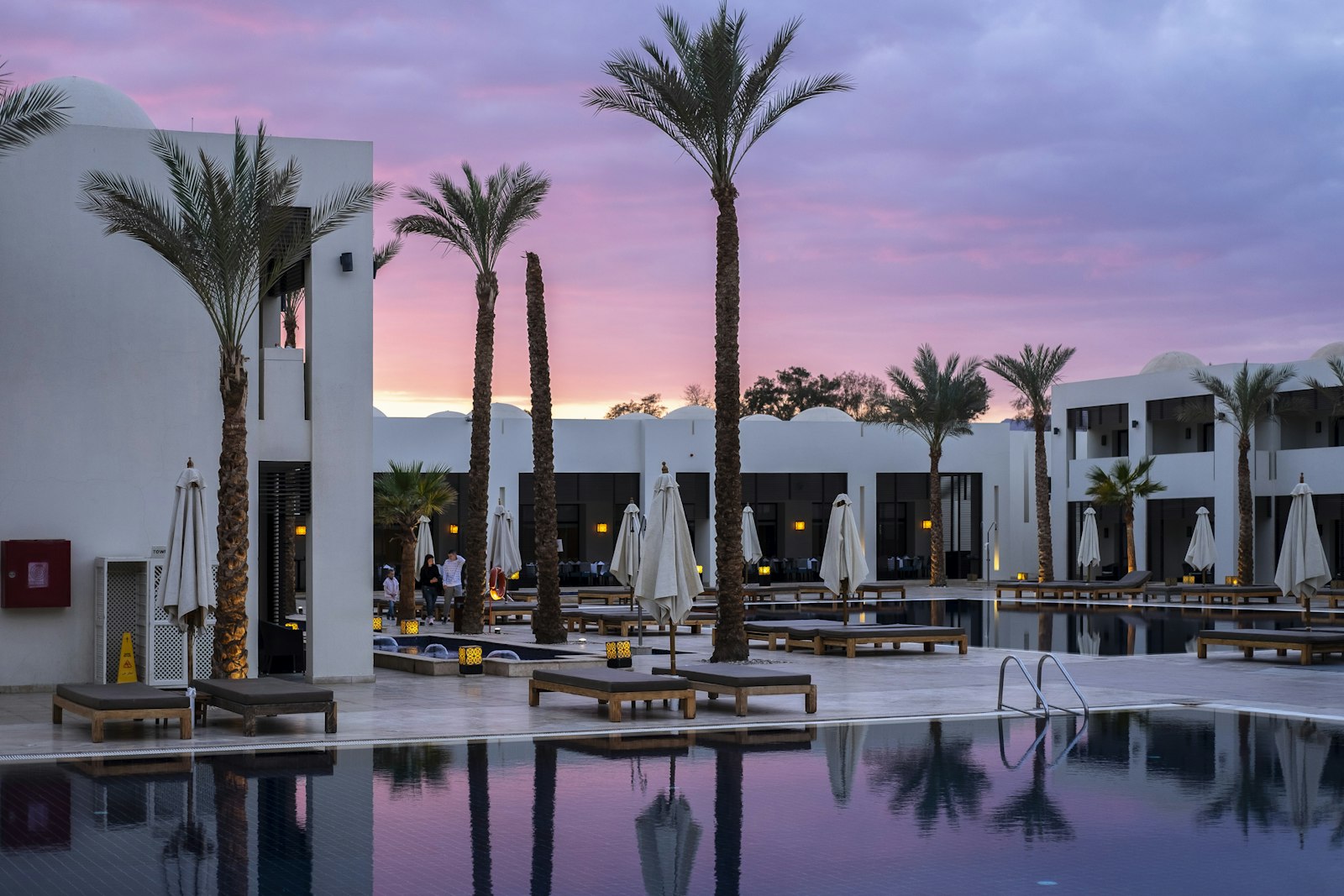
Private island resorts have grown rapidly in the past 3-5 years. The Brando, Soneva, Aman Pulo are the senior examples. The category is adding properties — North Island Seychelles, Cap Karoso Indonesia, several new Indonesian and Caribbean properties.
3. Food-led hospitality
The food programme has overtaken design as the primary luxury differentiator. Hotels increasingly headline their chef and restaurant programme rather than their architecture. Le Sirenuse with La Sponda, Le Bristol with Epicure, Aman Tokyo with Musashi are the senior examples.
4. Slow-luxury programming
The "slow luxury" concept — longer stays, fewer activities, deeper engagement — has emerged as a counterpoint to the busy itinerary tradition. Properties marketing 7-14 night programmes with structured rest, slow food, and deep local engagement.
5. Multi-generational programming
Family travel has shifted to multi-generational (grandparents, parents, children together). Hotels have responded with multi-room villa configurations, age-stratified programming, and meal service that accommodates dietary differences.
What 2026 luxury hotel openings look like
Three pattern signatures:
Smaller scale
New 2026 openings average 80-150 rooms. Compare to the 2010s era of 300-800 room flagship hotels.
Distinctive identity
New openings have stronger brand identity — not just "Four Seasons in [city]" but properties with names like Aman Niseko, Bulgari Tokyo, Cap Karoso. The identity is the differentiator.
Wellness-design integration
Wellness amenities are integrated from the architecture stage. Spas are not added as floors; they are core property features.
The traveller's response
Three implications for booking:
Implication 1: book new openings 12-18 months ahead
The smaller scale of new openings means peak season at new properties sells out at unusual lead times. Watch the openings calendar.
Implication 2: explore wellness offerings actively
Even at non-wellness-branded hotels, ask about the wellness programme. The 2026 luxury hotel will have one.
Implication 3: ask about multi-generational accommodation
If you might travel with family, ask about multi-room villa configurations. The 2026 hotel can typically accommodate.
For more, see the hotel trends pillar and best hotel openings coming in 2027.